
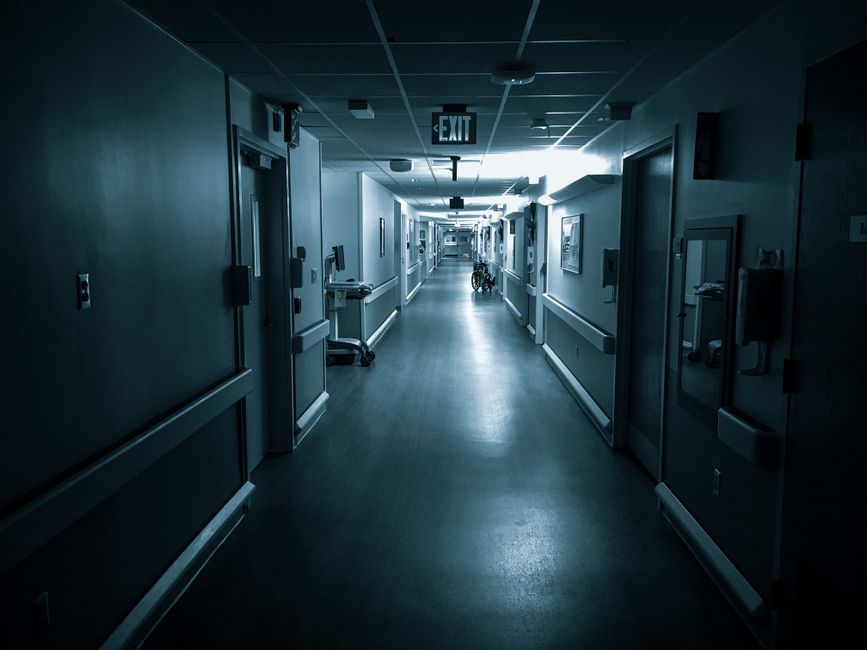
Psychiatric hospitals play a crucial role in the mental health care system. They provide specialized treatment for individuals suffering from severe mental health issues, ensuring that they receive the care and support necessary for recovery. Understanding the functioning, challenges, and benefits of these institutions can help demystify the treatment process and reduce the stigma associated with mental health disorders.
The Purpose of Psychiatric Hospitals
Psychiatric hospitals are designed to provide comprehensive mental health care for patients with acute psychiatric conditions. Unlike general hospitals, these facilities focus primarily on mental health issues, offering a range of services from inpatient care to outpatient therapy. The objective is to stabilize patients in crisis, providing them with a safe environment where they can receive treatment tailored to their specific needs.
These hospitals often serve as a critical resource for those experiencing severe depression, schizophrenia, bipolar disorder, and other serious mental illnesses. With trained professionals, including psychiatrists, psychologists, and social workers, the goal is to create individualized treatment plans that address the root causes of mental health issues.
Typical Treatments and Services
At psychiatric hospitals, treatment modalities may include medication management, psychotherapy, and group therapy. Medications are often a vital component of treatment, helping to manage symptoms and stabilize mood. Psychotherapy, such as cognitive-behavioral therapy, offers patients the tools they need to cope with their conditions more effectively.
In addition to these traditional methods, many hospitals are beginning to incorporate holistic approaches. This can include art therapy, music therapy, and mindfulness practices. The integration of these therapies can enhance the overall treatment experience, addressing not just the psychological but also the emotional and spiritual needs of patients.
The Importance of Multidisciplinary Teams
One of the defining features of psychiatric hospitals is the multidisciplinary teams that work collaboratively to provide care. These teams typically include psychiatrists, nurses, social workers, and occupational therapists, all contributing their expertise to create a comprehensive treatment plan.
This collaborative approach ensures that all aspects of a patient’s well-being are considered. For example, while a psychiatrist focuses on medication and psychiatric evaluations, a social worker may provide support with social reintegration and family therapy. This teamwork is essential for the successful recovery of patients.
Challenges Faced by Psychiatric Hospitals
Despite their importance, psychiatric hospitals face numerous challenges. One primary issue is the stigma surrounding mental health, which can deter individuals from seeking the help they need. Many people still harbor misconceptions about mental illness, viewing it as a personal weakness rather than a medical condition that requires treatment.
Moreover, funding for mental health services is often limited, leading to overcrowded facilities and insufficient resources. This can compromise the quality of care that patients receive, making it difficult for hospitals to provide individualized attention. Addressing these challenges requires a concerted effort from policymakers, healthcare providers, and society as a whole.
The Future of Psychiatric Hospitals
Looking ahead, the future of psychiatric hospitals appears to be shifting towards a more integrated model of care. There is a growing recognition of the importance of mental health in overall health, leading to increased advocacy for mental health services and funding.
Furthermore, advancements in technology are playing a crucial role. Telepsychiatry and digital mental health tools are becoming more prevalent, allowing hospitals to reach patients who might not otherwise have access to care. Such innovations can enhance the treatment experience and provide support to individuals in their own environments.
As we move forward, it is essential that the community continues to support psychiatric hospitals and the vital services they provide. For those seeking assistance, finding a qualified Psychiatrist in dubai can be a crucial step in the journey towards recovery.
Conclusion
In conclusion, psychiatric hospitals are fundamental to the mental health care system, offering specialized treatment for individuals facing severe mental health challenges. By understanding their purpose, the treatments they provide, and the challenges they face, we can foster a greater understanding of mental health and support the ongoing efforts to improve mental health care for all. As we continue to break the stigma surrounding mental illness, it is crucial to remember the importance of these institutions and the dedicated professionals who work tirelessly to help those in need.
About the Author