
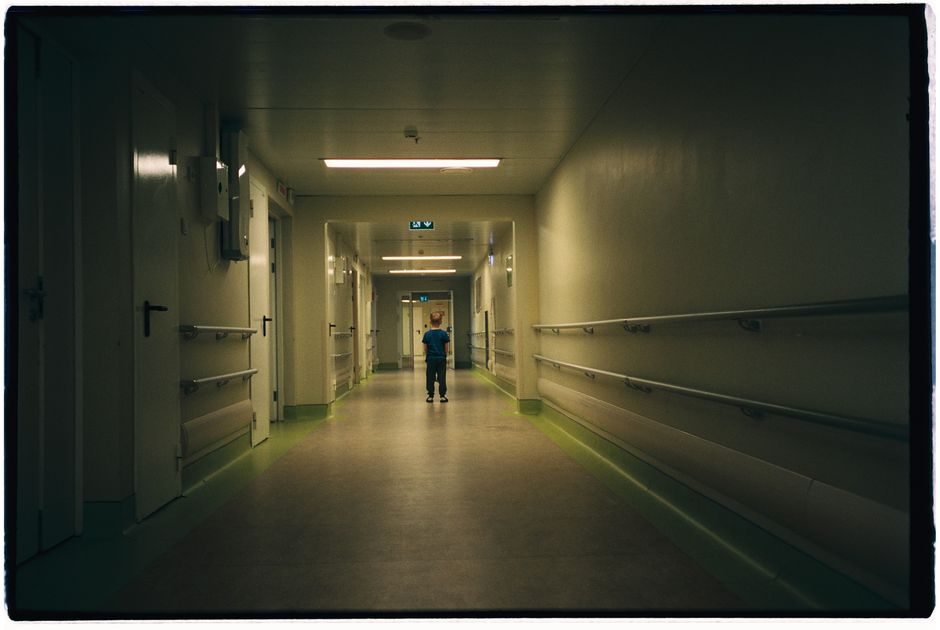
Psychiatric hospitals play a crucial role in the mental health care system, providing specialized treatment for individuals facing severe mental health issues. These institutions are designed to offer a safe and therapeutic environment, allowing patients to receive the care they need to manage their conditions effectively. In this article, we will delve into the various aspects of psychiatric hospitals, including their functions, types of treatment available, and the importance of mental health care.
What is a Psychiatric Hospital?
A psychiatric hospital, also known as a mental health hospital, is a medical facility dedicated to the diagnosis and treatment of mental disorders. Unlike general hospitals, psychiatric hospitals focus on mental health issues, providing a range of services from emergency care to long-term treatment. These hospitals are staffed with trained professionals, including psychiatrists, psychologists, social workers, and nurses, who work together to create individualized treatment plans for patients.
Patients may be admitted voluntarily or involuntarily, depending on the severity of their condition and their ability to make decisions about their treatment. Involuntary admissions are typically reserved for cases where patients pose a risk to themselves or others. The length of stay in a psychiatric hospital can vary significantly, ranging from a few days to several months, depending on the patient’s needs and progress.
Types of Treatments Offered
Psychiatric hospitals provide a variety of treatment options tailored to the specific needs of their patients. Common treatment modalities include:
- Medication Management: Many patients benefit from psychiatric medications that help manage symptoms of mental disorders. These can include antidepressants, antipsychotics, mood stabilizers, and anti-anxiety medications.
- Therapeutic Interventions: Therapy plays a vital role in mental health treatment. Common approaches include cognitive-behavioral therapy (CBT), dialectical behavior therapy (DBT), and group therapy sessions that foster peer support.
- Recreational Therapy: Engaging in creative activities such as art, music, or movement therapy can aid in emotional expression and recovery.
- Family Therapy: Involving family members in the therapeutic process can help improve communication and support systems within the family unit.
Each treatment plan is customized to address the unique challenges faced by each patient, ensuring that they receive holistic care throughout their stay.
The Importance of Psychiatric Hospitals
Psychiatric hospitals serve as a critical component of the overall mental health care continuum. They offer a safe space for individuals in crisis, providing immediate intervention and stabilization. The structured environment of a psychiatric hospital can be beneficial for those who may be unable to function effectively in their daily lives due to mental illness.
Moreover, psychiatric hospitals often serve as a bridge to ongoing care. Once patients are stabilized, they may transition to outpatient care or community-based resources. This continuity of care is essential for maintaining mental health and preventing relapse.
Statistics indicate that timely intervention in psychiatric settings can significantly reduce the risk of suicide and self-harm. For instance, a study published in the *Journal of Psychiatric Research* found that individuals receiving immediate care in psychiatric hospitals had a 50% lower risk of suicide compared to those who did not seek help.
Challenges Faced by Psychiatric Hospitals
Despite their importance, psychiatric hospitals face several challenges. Stigma surrounding mental health can deter individuals from seeking treatment, leading to delayed admissions and worsening conditions. Additionally, many psychiatric hospitals are often underfunded and understaffed, which can affect the quality of care provided.
Furthermore, the integration of mental health services with general health care remains a significant hurdle. There is a growing need for a more holistic approach that recognizes the interplay between physical and mental health. Some facilities are beginning to adopt integrated care models, which can improve patient outcomes.
In regions such as Dubai, where mental health awareness is increasing, facilities are emerging that specialize in comprehensive care. For example, many clinics are now offering services that encompass both psychiatric treatment and general health care, allowing for a more rounded approach to mental wellness. This initiative aligns with global trends in mental health care that prioritize accessibility and comprehensive treatment.
Conclusion
Psychiatric hospitals are essential for providing critical mental health services to those in need. They offer various treatment options tailored to individual requirements, playing a vital role in crisis intervention and ongoing care. As the understanding of mental health continues to evolve, so too must the systems and facilities that support it. By addressing the challenges faced by psychiatric hospitals and improving access to care, we can take significant steps toward fostering a healthier society.
For those seeking specialized psychiatric care, particularly in regions like Dubai, exploring options such as Psychiatry dubai can lead to effective treatment pathways and better mental health outcomes.
About the Author