Replacing a roof is a significant investment for homeowners, and understanding the costs involved is crucial for effective budgeting. Whether it’s due to wear and tear, storm damage, or simply the desire for a new look, the cost of roof replacement can vary widely depending on several factors. In this comprehensive guide, we’ll explore the various elements that influence roof replacement costs and provide insights to help you make informed decisions.
Factors Influencing Roof Replacement Costs
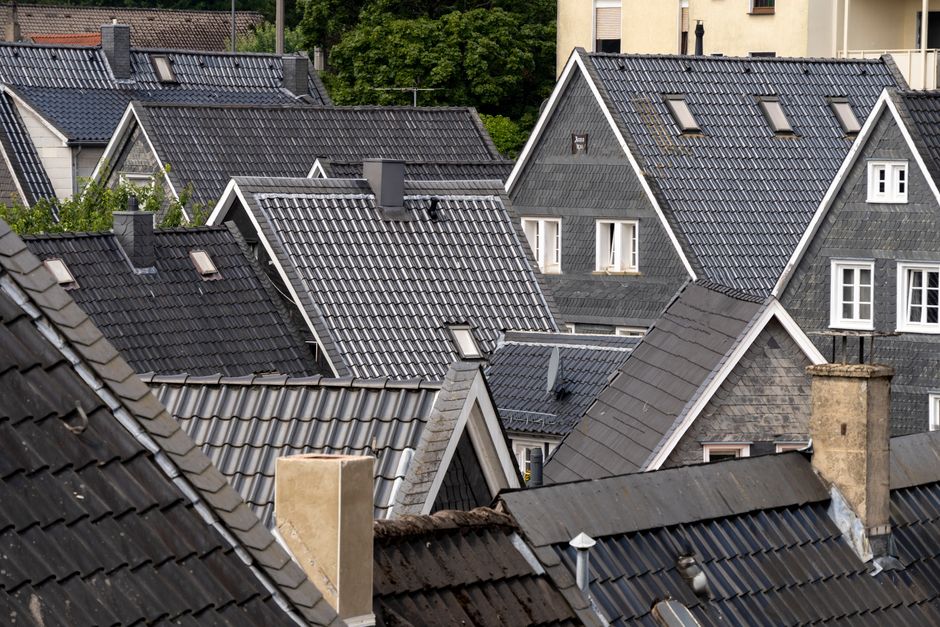
The cost of replacing a roof can be influenced by numerous factors. The type of roofing material chosen is one of the most significant determinants. Options range from asphalt shingles, which are relatively affordable, to premium materials like slate or metal that can considerably raise the price. Additionally, the size and slope of your roof play a critical role. Larger roofs require more materials and labor, increasing overall costs, while steeply pitched roofs may require more complex installation techniques, thus adding to the expense.
Another essential factor is the location of your home. Roofing costs can vary by region due to differences in labor rates, local building codes, and even climate considerations. For instance, areas prone to severe weather may necessitate more durable materials, which can drive up costs. Homeowners should also consider the time of year, as roofing contractors may charge more during peak seasons.
Estimating Roof Replacement Costs
To provide a clearer picture of what to expect, let’s break down the estimated costs based on different roofing materials. Asphalt shingles typically range from $90 to $100 per square (100 square feet), making them one of the most affordable options. In contrast, metal roofing can cost between $150 and $600 per square, depending on the type of metal used. If you’re considering slate, be prepared to spend anywhere from $600 to $1,500 per square, as it’s one of the most expensive materials available.
When estimating costs, it’s also essential to factor in labor. On average, labor costs can account for 60% of the total roof replacement expense. This percentage can vary depending on the complexity of the job and the contractor’s experience. It’s advisable to obtain multiple quotes from licensed contractors to ensure you’re getting a fair price.
Hidden Costs to Consider
While many homeowners focus solely on material and labor expenses, several hidden costs can arise during a roof replacement project. For example, if your existing roof has multiple layers of shingles, the cost of removal can add significantly to your budget. Additionally, any necessary structural repairs to the roof deck may not be apparent until the old roof is removed, potentially leading to unexpected expenses.
Another often-overlooked cost is the disposal of old roofing materials. Many contractors will include this in their quotes, but it’s worth confirming. Finally, consider the potential for upgrades, such as improved insulation or ventilation systems, that may enhance the longevity and efficiency of your new roof.
Financing Options for Roof Replacement
Given the high cost of roof replacement, many homeowners may seek financing options to manage the expense. Home equity loans and lines of credit are popular choices, as they often offer lower interest rates compared to personal loans. Additionally, some roofing companies provide financing plans, which can be a convenient way to spread out payments over time.
Moreover, government programs and grants may be available for energy-efficient roofing upgrades, especially in areas prone to extreme weather. Researching these options can help alleviate the financial burden of a roof replacement.
Conclusion: Making an Informed Decision
Replacing your roof is a major decision that requires careful consideration and planning. By understanding the various factors that influence roof replacement cost, estimating potential expenses, and being aware of hidden costs, you can approach this project with confidence. Always remember to consult with multiple professionals and consider financing options if necessary. Ultimately, investing in a quality roof ensures the safety and value of your home for years to come.
About the Author