
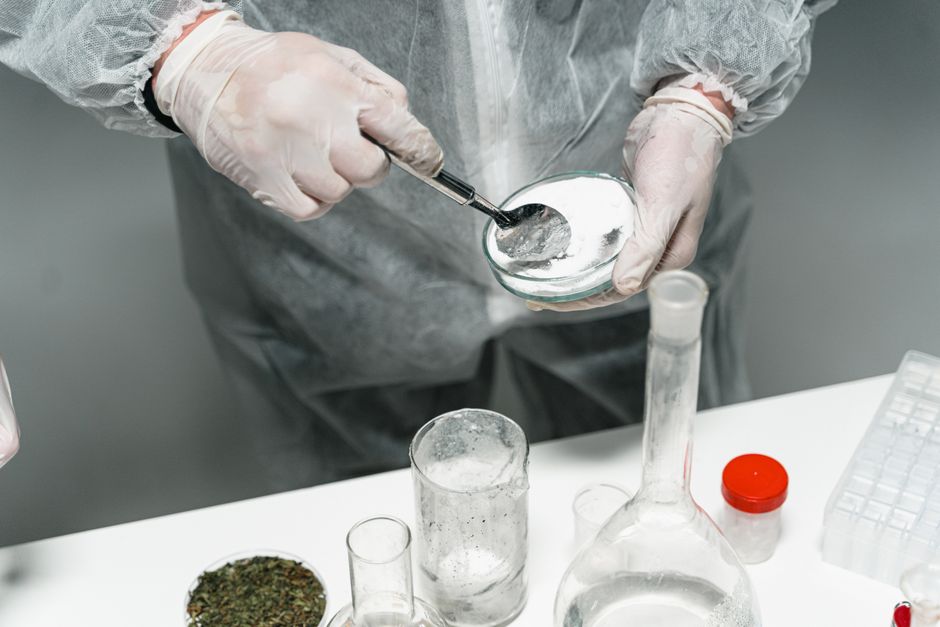
In today’s fast-paced world, the demand for drug testing services has surged across various sectors. Whether in the workplace, healthcare, or legal scenarios, these services play a critical role in ensuring safety and compliance. This article delves into the significance, types, and benefits of drug testing services, helping you understand why they are essential in many aspects of life.
The Need for Drug Testing Services
Drug testing services have become increasingly vital in several industries. Employers often implement these tests to maintain a safe and productive work environment. According to the Substance Abuse and Mental Health Services Administration (SAMHSA), approximately 70% of adults with substance use disorders are employed. This statistic highlights the crucial need for drug testing to prevent potential workplace hazards.
Moreover, drug testing services are not limited to employment scenarios. They are also prevalent in healthcare settings, where they help in monitoring patients who are undergoing treatment for substance abuse. By identifying substance use early, healthcare providers can intervene more effectively, ensuring better patient outcomes.
Legal scenarios also necessitate drug testing services. Courts may require drug tests for individuals on probation or those involved in custody disputes, ensuring compliance with legal mandates and promoting rehabilitation.
Types of Drug Testing Methods
There are various methods of drug testing, each with its advantages and limitations. The most common types include urine, saliva, hair, and blood tests. Urine testing is the most widely used due to its cost-effectiveness and ease of administration. It can detect a range of substances and is often the preferred choice for employers.
Saliva tests, on the other hand, are less invasive and can provide immediate results. They are useful for detecting recent drug use, making them ideal for on-site testing. Hair tests are known for their ability to detect drug use over a more extended period, making them suitable for comprehensive assessments of long-term substance use.
Blood tests, while accurate, are more invasive and often used in medical settings. Each method serves a specific purpose, and the choice depends on the context and the substances being tested.
Benefits of Implementing Drug Testing Services
Implementing drug testing services offers numerous benefits for organizations and individuals alike. For employers, regular drug testing can lead to a safer workplace, reducing the risk of accidents and injuries caused by impaired employees. A study by the American Association of Occupational Health Nurses found that workplaces with drug testing programs reported a 51% decrease in workplace accidents.
Additionally, drug testing can enhance productivity. Employees who are aware of testing policies are less likely to engage in substance abuse, leading to improved performance and morale. This proactive approach fosters a culture of responsibility and care within organizations.
For individuals, drug testing services can provide a pathway to recovery. In healthcare settings, regular testing can help monitor progress and adherence to treatment plans, ensuring that patients receive the support they need. Furthermore, for those involved in legal proceedings, drug tests can demonstrate compliance and commitment to rehabilitation, potentially influencing positive outcomes in court.
Challenges and Considerations in Drug Testing
While drug testing services offer significant benefits, they also present challenges. Privacy concerns are paramount, as individuals may feel that their rights are being infringed upon. It is essential for organizations to implement drug testing policies that respect privacy while ensuring safety and compliance.
Additionally, the accuracy of drug tests can vary based on several factors, including the testing method and the substances being tested. False positives or negatives can lead to serious consequences, making it crucial for organizations to select reliable testing services and conduct thorough reviews of results.
Finally, the legal landscape surrounding drug testing continues to evolve. Organizations must stay informed about local laws and regulations to ensure compliance and avoid potential legal issues. By collaborating with professional drug testing services, organizations can navigate these complexities effectively.
Conclusion
In conclusion, drug testing services are an essential component of maintaining safety, compliance, and productivity in various settings. By understanding the types, benefits, and challenges of these services, organizations and individuals can make informed decisions that promote a healthier and safer environment. As the demand for reliable drug testing services continues to grow, partnering with reputable providers is crucial to ensure effective implementation. For those seeking comprehensive solutions, a drug testing service can offer the expertise and resources needed to meet diverse testing needs.
About the Author