
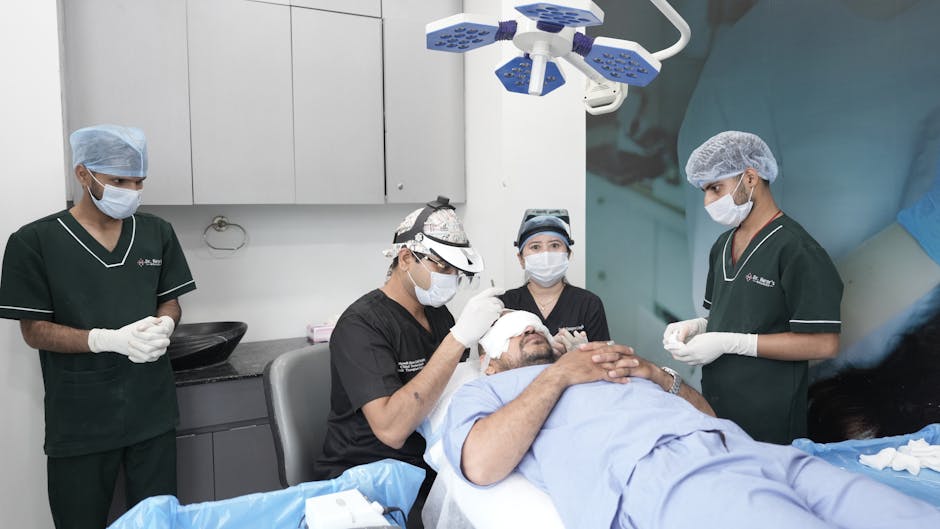
Hair loss can be a distressing experience that affects self-esteem and confidence. Many individuals seek solutions to restore their hair and regain their youthful appearance. Among the various methods available, hair transplant surgery has gained popularity due to its effectiveness and natural-looking results. This article will delve into the intricacies of hair transplant procedures, their benefits, potential risks, and what to expect during recovery.
What is Hair Transplant?
Hair transplant is a surgical procedure that involves moving hair follicles from a donor site, typically the back or sides of the head, to areas experiencing hair thinning or baldness. The procedure aims to restore hair in a natural pattern, allowing individuals to achieve a fuller head of hair. There are two main techniques used in hair transplants: Follicular Unit Transplantation (FUT) and Follicular Unit Extraction (FUE).
FUT involves removing a strip of scalp from the donor area, which is then dissected into individual follicular units for transplantation. On the other hand, FUE extracts individual hair follicles directly from the scalp without the need for a linear incision. Each method has its advantages and disadvantages, which should be discussed with a qualified surgeon.
The Benefits of Hair Transplantation
One of the primary advantages of hair transplant procedures is their ability to provide a permanent solution to hair loss. Unlike temporary solutions such as hairpieces or medications, transplanted hair grows naturally and can be treated like regular hair. Patients can style, cut, and color their hair as desired.
Moreover, advancements in technology and techniques have led to higher success rates and more natural-looking results. Using minimally invasive methods like FUE, the recovery time has significantly decreased, allowing patients to resume normal activities within a few days. Many clinics also offer advanced technologies, ensuring that patients receive the best possible outcomes.
Potential Risks and Complications
While hair transplant procedures are generally safe, they are not without risks. Potential complications may include infection, scarring, and the possibility of poor hair growth. It’s essential for patients to discuss these risks with their surgeon during the consultation process.
Additionally, some individuals may experience shock loss, a temporary shedding of transplanted hair after the procedure. This usually resolves itself, and the hair will begin to regrow within a few months. Understanding these potential issues is crucial for managing expectations and achieving satisfactory results.
Choosing the Right Clinic
When considering a hair transplant, choosing the right clinic and surgeon is paramount. Researching clinics, reading reviews, and checking credentials can help individuals make informed decisions. It’s advisable to schedule consultations with multiple surgeons to discuss options, view before-and-after photos, and inquire about their experience and success rates.
For those considering hair transplant abroad, cities like Istanbul have become popular destinations due to their high-quality services at competitive prices. Many clinics in Istanbul offer comprehensive packages that include everything from the procedure to accommodation and aftercare. One such option is to explore hair transplant istanbul, which can provide excellent care and results.
Post-Operative Care and Expectations
After a hair transplant, following the surgeon’s post-operative care instructions is vital for optimal recovery. Patients are typically advised to avoid strenuous activities, direct sunlight, and excessive touching of the scalp for a few weeks. Medications may be prescribed to manage pain and prevent infections.
The results of a hair transplant are not immediate. It usually takes several months for the transplanted hair to start growing, and it may take up to a year to see the final results. Patience is essential during this period, as the newly transplanted hair will gradually blend in with existing hair.
Conclusion
Hair transplant surgery can be a life-changing procedure for those struggling with hair loss. By understanding the process, benefits, and potential risks, individuals can make informed decisions about their treatment options. With advancements in technology and a focus on natural-looking results, hair transplants continue to be a leading solution for restoring hair. Whether considering a local clinic or looking abroad, thorough research and choosing the right professionals will pave the way for a successful hair restoration journey.
About the Author