Cardiopulmonary Resuscitation (CPR) is a critical skill that can save lives in emergencies, particularly in cases of cardiac arrest. Despite its importance, many people remain unaware of how to perform CPR effectively. In this article, we will explore the significance of CPR, the steps involved, and the latest guidelines that ensure its efficacy. Understanding CPR not only empowers individuals to act decisively in crisis situations but can also significantly increase the chances of survival for victims.
The Importance of CPR Training
CPR training is essential for everyone, not just medical professionals. According to the American Heart Association, immediate CPR can double or even triple a victim’s chance of survival following cardiac arrest. In fact, statistics show that over 350,000 out-of-hospital cardiac arrests occur annually in the United States alone, and many of these incidents happen in public places where bystanders can intervene.
Furthermore, the presence of trained individuals can make a dramatic difference. A study published in the Journal of the American College of Cardiology found that bystander CPR is associated with a higher likelihood of survival and favorable outcomes for patients. For this reason, community education programs that focus on CPR training are invaluable.
Steps to Perform CPR
Performing CPR involves a series of steps that can be easily learned and executed. The basic steps include:
- Check the scene and the victim: Ensure that the area is safe and check if the victim is responsive.
- Call for help: Dial emergency services or ask someone else to do so while you attend to the victim.
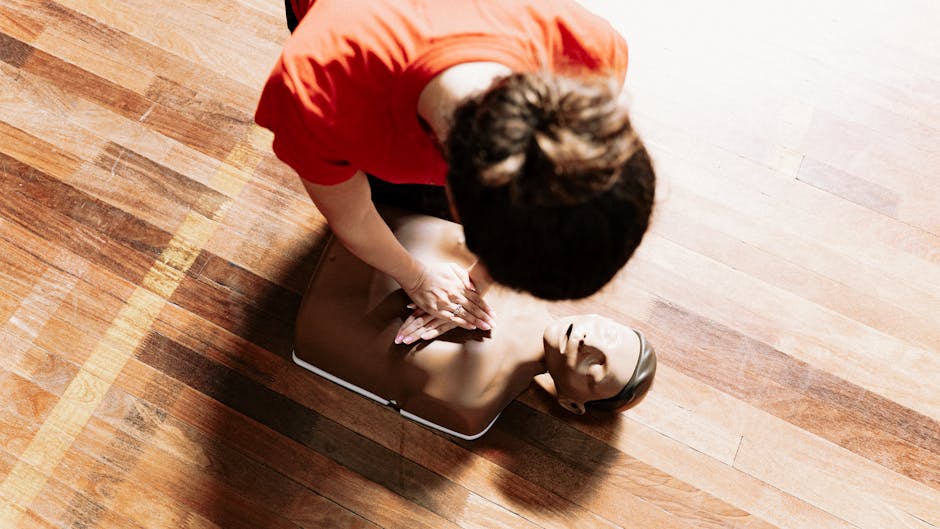
- Start chest compressions: Place your hands on the center of the victim’s chest and push hard and fast, at a rate of 100-120 compressions per minute.
- Provide rescue breaths: If trained, give two rescue breaths after every 30 compressions.
These steps should be repeated until emergency medical services arrive or the person shows signs of recovery. It is crucial to remember that even if you are unsure of your techniques, providing any form of assistance is better than doing nothing.
Latest Guidelines and Recommendations
The guidelines for CPR have evolved over the years, emphasizing the importance of hands-only CPR for untrained bystanders. According to the latest recommendations from the American Heart Association, if a bystander is unwilling or unable to provide rescue breaths, hands-only CPR is highly effective. This involves continuous chest compressions without interruption.
Additionally, the use of Automated External Defibrillators (AEDs) has become a vital part of the CPR process. AEDs are portable devices that can analyze the heart’s rhythm and deliver an electrical shock if necessary. The accessibility of AEDs in public places has been shown to improve survival rates significantly.
Overcoming Barriers to CPR Training
Despite the clear benefits of CPR training, many individuals cite barriers that prevent them from learning this life-saving skill. Common concerns include a lack of time, fear of performing CPR incorrectly, or simply not knowing where to begin. Community programs and online resources, such as HLR kurs Stockholm, offer flexible training options that can accommodate busy schedules and provide valuable knowledge in a supportive environment.
Moreover, hands-on practice during training can alleviate fears about performing CPR incorrectly. Many organizations now offer courses that emphasize practical skills, allowing participants to build confidence and competence in their abilities.
Conclusion: The Lifesaving Impact of CPR
In conclusion, CPR is a vital skill that everyone should learn. Its ability to save lives cannot be overstated, especially when considering the high number of cardiac arrests that occur each year. By understanding the importance of CPR training and the steps involved, individuals can be better prepared to assist in emergencies.
As communities prioritize education and training in CPR, we can collectively increase survival rates and promote a culture of preparedness. By taking the initiative to learn CPR, we not only empower ourselves but also create a safer environment for everyone.
About the Author