
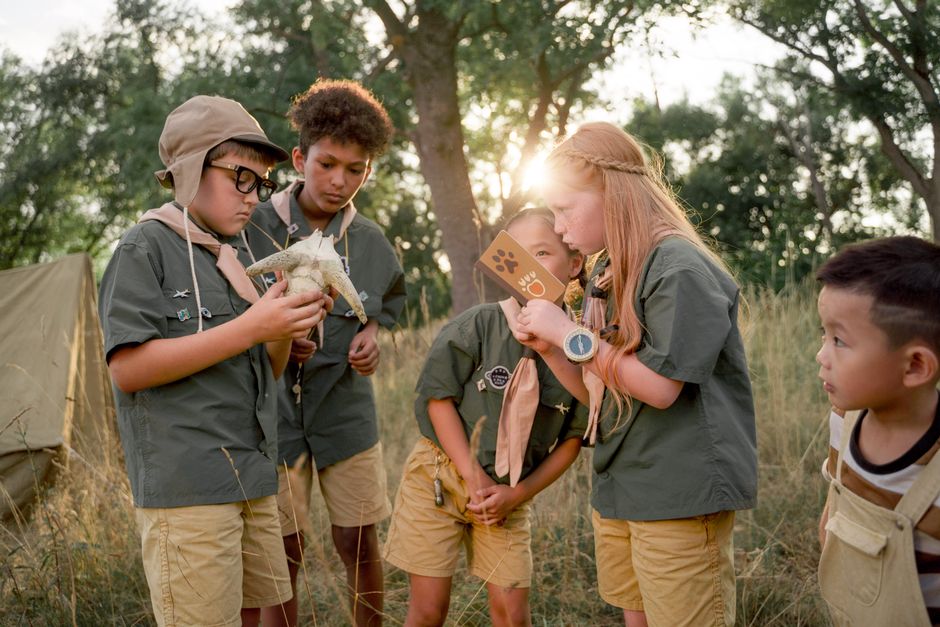
Summer is a magical time for children, especially for elementary school students who are eager to explore, learn, and make new friends. One of the best ways to accomplish this is through summer camps, which provide not just fun activities, but also opportunities for personal growth and social development. In this guide, we will explore the various aspects of summer camps tailored for young learners, including the benefits, types of camps available, and tips for parents on choosing the right camp.
Benefits of Summer Camps for Children
Summer camps offer a plethora of benefits for elementary school students. First and foremost, they provide a structured environment where children can engage in various activities that promote physical and mental well-being. For instance, camps often include sports, arts and crafts, and nature exploration, which can help children develop new skills and interests.
Moreover, summer camps encourage social interaction. Being away from home and meeting peers in a camp setting helps children improve their communication and teamwork skills. According to a study by the American Camp Association, 90% of parents observed a positive change in their child’s social skills after attending a camp.
Additionally, summer camps can boost self-confidence and independence. As children navigate new experiences, they learn to make decisions and solve problems on their own, which can be incredibly empowering. This personal growth is essential during the formative years of elementary school.
Types of Summer Camps
When it comes to selecting a summer camp, parents will find that there is a wide variety of options available. Traditional day camps are among the most popular, offering a mix of activities such as swimming, sports, and arts. These camps typically run during the day, allowing children to return home in the evening.
For those looking for a more immersive experience, overnight camps provide an opportunity for children to stay away from home for a week or more. These camps often focus on specific themes such as adventure, science, or the arts, and offer a unique chance for kids to bond with peers in a more intimate setting.
Specialized camps are another option, catering to specific interests like coding, cooking, or environmental science. These camps allow children to dive deeper into subjects they are passionate about, often led by experts in the field.
How to Choose the Right Camp
Choosing the right summer camp can be a daunting task for parents. It’s essential to consider several factors to ensure the best fit for your child. Start by evaluating your child’s interests. If they love nature, for example, a camp focused on outdoor activities may be ideal. Conversely, if they enjoy technology, a coding camp could be more suitable.
Next, consider the camp’s location and duration. Some families prefer camps close to home for convenience, while others may be open to traveling for a unique experience. It’s also important to check the camp’s schedule to ensure it aligns with your family’s summer plans.
Finally, don’t forget to read reviews and gather recommendations. Speaking with other parents who have sent their children to specific camps can provide valuable insights into the camp’s quality and staff. For instance, many parents have praised the サマーキャンプ 小学生 for its well-rounded programs and enthusiastic staff.
Preparing Your Child for Camp
Once you’ve chosen a camp, it’s time to prepare your child for the experience. Start by discussing what they can expect at camp, including the types of activities they will participate in and the importance of making new friends. This conversation can help alleviate any anxiety they may feel about being away from home.
Additionally, pack together. Allowing your child to help pack their bag can foster excitement about the camp. Make sure to include essential items such as clothing, toiletries, and any comfort items they may need. A familiar stuffed animal or blanket can provide reassurance during their stay.
Lastly, remind your child about the importance of being open-minded and friendly. Social skills are key in a camp setting, and encouraging them to engage with others will enhance their overall experience.
Conclusion
Summer camps for elementary school students are more than just a way to keep kids occupied during the break; they are valuable experiences that foster growth, learning, and friendship. By understanding the benefits, exploring the types of camps available, and preparing your child effectively, you can ensure that they have a memorable and enriching summer. As the camp season approaches, take the time to research and select a camp that aligns with your child’s interests and needs. With the right camp, your child will return home with a wealth of new experiences and cherished memories.
About the Author