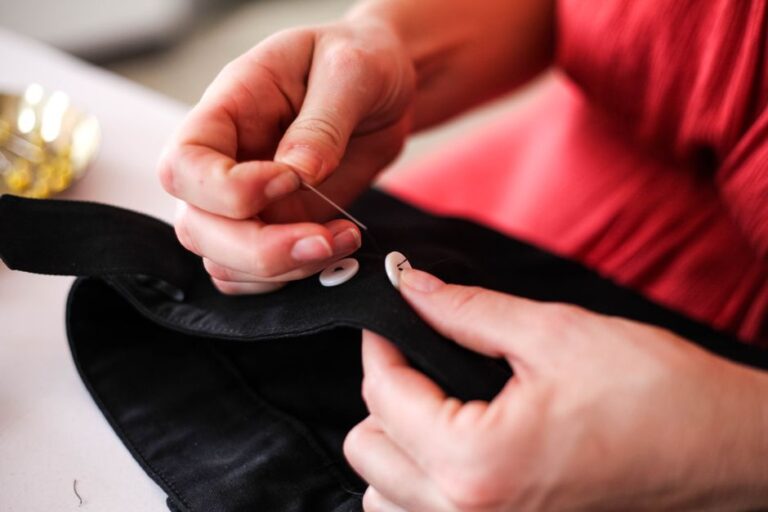
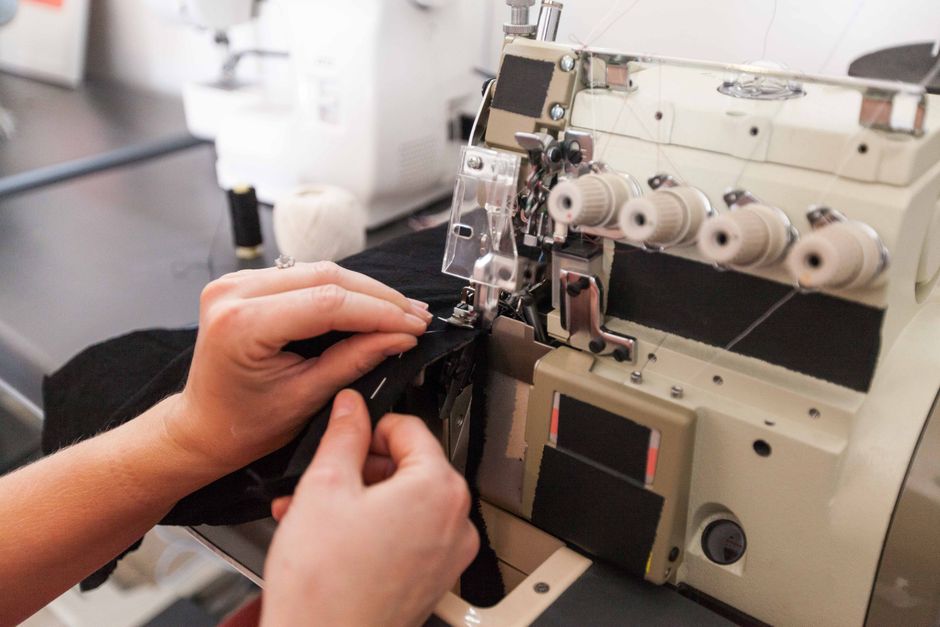
In recent years, the fashion industry has seen a significant shift towards personalization and customization. As consumers increasingly seek unique clothing options that reflect their individuality, the role of custom clothing manufacturers has become more prominent. These manufacturers cater to the demand for tailored garments, allowing brands and individuals alike to create clothing that meets specific preferences and requirements.
Understanding Custom Clothing Manufacturing
Custom clothing manufacturing refers to the process of creating garments tailored to the individual specifications of clients. This can range from small-scale operations that cater to local designers to large factories that handle bulk orders for established brands. The key differentiator is the ability to offer customization, which can include everything from fabric selection to design alterations.
One of the primary advantages of working with a custom clothing manufacturer is the flexibility it provides. Designers can experiment with different styles, materials, and cuts without being limited by the constraints of mass production. This flexibility not only enhances creativity but also allows for a more sustainable approach to fashion, as it minimizes waste by producing only what is needed.
The Benefits of Custom Clothing
Custom clothing offers numerous benefits to both consumers and manufacturers. For consumers, the most apparent advantage is the ability to wear something that fits perfectly. Off-the-rack clothing often overlooks the diversity of body shapes and sizes, leading to discomfort and dissatisfaction. Custom clothing manufacturers address this issue by providing garments that are designed specifically for the wearer.
Additionally, custom clothing allows consumers to express their personal style more authentically. With the option to select colors, patterns, and fabrics, individuals can create pieces that truly represent their personality. This trend is particularly popular among millennials and Gen Z, who prioritize individuality and self-expression in their fashion choices.
Market Trends in Custom Clothing
The market for custom clothing is growing rapidly. According to a report by Grand View Research, the global custom apparel market size was valued at $4.2 billion in 2021 and is expected to expand at a compound annual growth rate (CAGR) of 9.5% from 2022 to 2030. This growth is driven by the rising demand for personalized products and the increasing influence of social media on consumer preferences.
Moreover, advancements in technology have made it easier for custom clothing manufacturers to operate efficiently. Innovations such as 3D printing and on-demand production have streamlined the manufacturing process, reducing lead times and costs. As a result, both established fashion brands and emerging designers are turning to custom manufacturers to stay competitive in a rapidly evolving market.
Challenges Faced by Custom Clothing Manufacturers
While the rise of custom clothing manufacturing presents many opportunities, it also comes with challenges. One significant hurdle is the need for efficient supply chain management. Unlike traditional manufacturing, where large quantities of the same item are produced, custom clothing requires a more intricate balancing act of sourcing materials and managing production schedules.
Quality control is another critical issue. Custom manufacturers must ensure that each piece meets the high standards expected by consumers, which can be challenging when dealing with varied designs and specifications. Implementing robust quality assurance processes is essential to maintaining customer satisfaction and brand reputation.
The Future of Custom Clothing Manufacturing
Looking ahead, the future of custom clothing manufacturing appears bright. As consumers continue to prioritize sustainability and individuality, the demand for tailored garments will likely increase. Furthermore, the integration of technology in the production process will enable manufacturers to offer even more customization options without sacrificing efficiency.
In conclusion, custom clothing manufacturers play a vital role in the fashion industry, catering to the growing desire for personalized and unique garments. By embracing technology and addressing the challenges of the market, these manufacturers are well-positioned to thrive in the evolving landscape of fashion.
About the Author