
Sheet metal fabrication is a vital process in various industries, from automotive to construction. This technique involves shaping and assembling metal sheets to create a wide array of products, ranging from simple brackets to complex structures. Understanding the fundamentals of this process can significantly enhance efficiency and quality in manufacturing.
What is Sheet Metal Fabrication?
Sheet metal fabrication refers to the process of transforming flat sheets of metal into functional parts and structures. The process typically involves cutting, bending, and assembling metal sheets. This method is not only cost-effective but also allows for high precision and repeatability, making it ideal for mass production.
The materials used in sheet metal fabrication can vary widely, including aluminum, steel, brass, and copper. Each material presents unique properties that can influence the final product. For instance, aluminum is lightweight and resistant to corrosion, making it suitable for applications in the aerospace industry, while stainless steel offers strength and durability, ideal for construction.
The Fabrication Process
The fabrication process can be broken down into several key stages: cutting, bending, and assembling. Each stage requires specific tools and techniques to achieve the desired outcome.
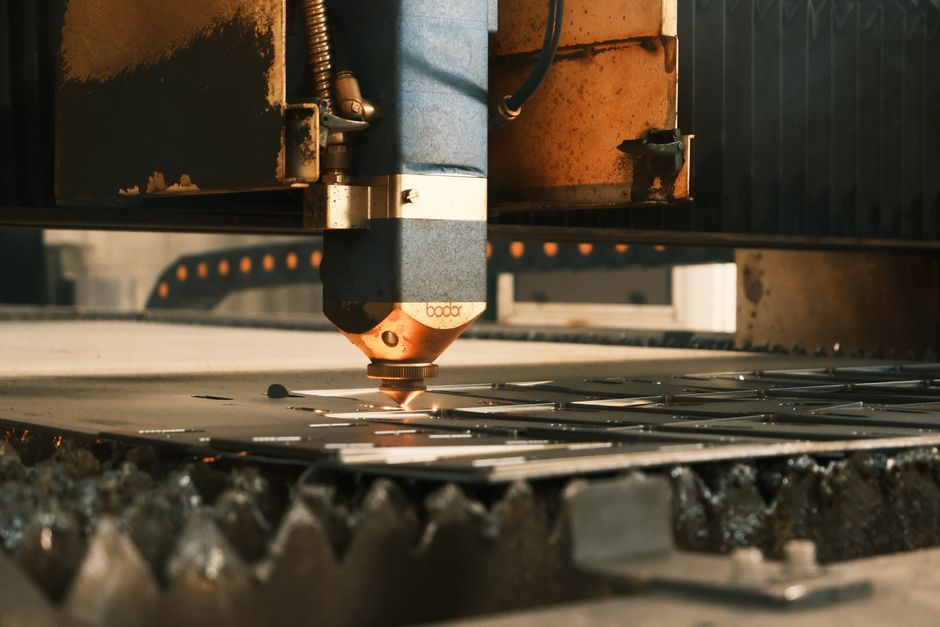
1. **Cutting**: This initial stage involves cutting the metal sheets to the required dimensions. Techniques like laser cutting, plasma cutting, and waterjet cutting are commonly employed. Laser cutting, for example, provides high accuracy and a clean edge, essential for intricate designs.
2. **Bending**: After cutting, the sheets are bent into shape using a press brake or other bending machines. This step is crucial for creating angles and curves in the metal, allowing for complex geometries that meet design specifications.
3. **Assembling**: The final stage involves joining the fabricated pieces together. Techniques such as welding, riveting, or using adhesives are employed based on the materials used and the desired strength of the final product. This stage is critical, as the integrity of the assembly directly affects the overall performance of the product.
Applications of Sheet Metal Fabrication
The applications of sheet metal fabrication are vast and varied. In the automotive industry, it is used to create components such as chassis, body panels, and brackets. The construction industry utilizes fabricated sheet metal for roofing, siding, and structural supports.
Moreover, sheet metal fabrication plays a significant role in the manufacturing of appliances, electronics, and HVAC systems. For instance, the casings for appliances like refrigerators and ovens are often made from sheet metal, ensuring durability and aesthetic appeal.
Advantages of Sheet Metal Fabrication
There are several advantages to using sheet metal fabrication in manufacturing processes:
– **Cost-Effectiveness**: Fabricating parts from sheet metal can reduce material waste, leading to lower costs.
– **Versatility**: The process can accommodate a wide range of designs and applications, making it adaptable to various industries.
– **Strength and Durability**: Metal components are inherently strong and can withstand significant stress, ensuring longevity in their applications.
Challenges in Sheet Metal Fabrication
Despite its numerous advantages, sheet metal fabrication presents certain challenges. One of the primary concerns is the potential for defects during the fabrication process, such as warping or cracking. These issues can arise due to improper handling or incorrect machine settings.
Additionally, as designs become more complex, the need for advanced technology and skilled labor increases. Investing in high-quality equipment and training can mitigate these challenges, ensuring that the fabrication process runs smoothly.
To further enhance the quality of fabricated products, manufacturers often implement quality control measures throughout the fabrication process. This includes inspections at various stages to identify and rectify any issues promptly.
Conclusion
Sheet metal fabrication is a critical component of modern manufacturing, offering numerous benefits across various industries. By understanding the intricacies of the fabrication process, businesses can enhance their efficiency and product quality. As technology advances, the capabilities of sheet metal fabrication will continue to evolve, paving the way for innovative solutions in manufacturing. To learn more about the specifics of this process, you can explore resources on sheet metal fabrication.
About the Author