
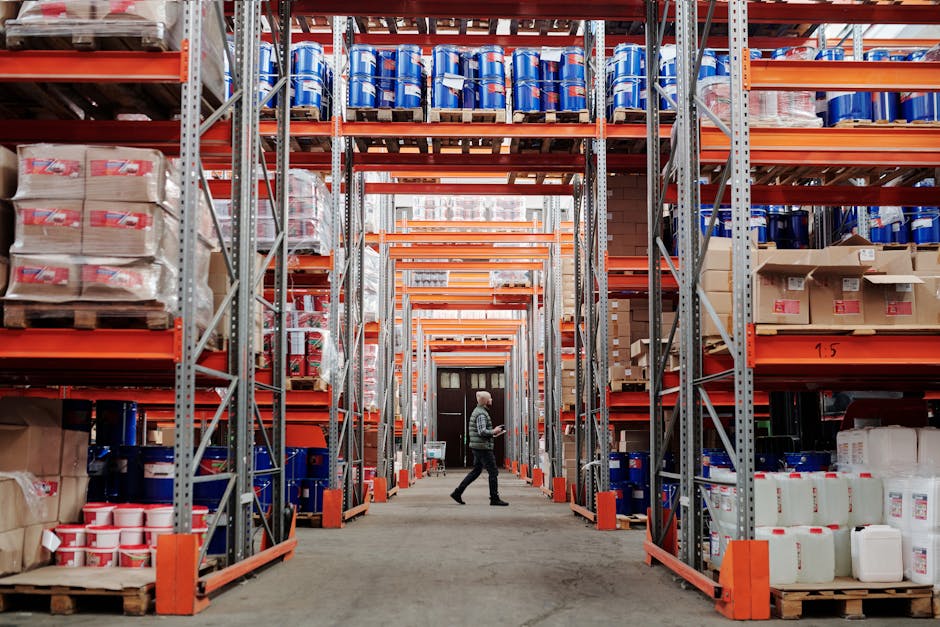
In the intricate web of modern commerce, distributors play a pivotal role that often goes unnoticed. They are the unsung heroes of supply chains, bridging the gap between manufacturers and retailers or end-users. Understanding the distribution process is crucial for any business aiming to optimize its operations and reach a wider audience. In this article, we will delve into the various aspects of distribution, its importance, and how businesses can leverage distributors to enhance their market presence.
The Definition and Functions of Distributors
Distributors are intermediaries who take on the responsibility of selling products from manufacturers to various customers, including wholesalers, retailers, and sometimes directly to consumers. Their primary function is to facilitate the movement of goods through the supply chain. This includes warehousing, inventory management, transportation, and even marketing support.
One of the key roles of distributors is to aggregate products from multiple manufacturers, providing a single point of access for retailers. This not only simplifies the purchasing process for retailers but also allows manufacturers to focus on production without worrying about the logistics of getting their products into the market.
Types of Distributors
Distributors can be categorized into several types, each serving different market needs. The most common types include:
- Wholesale Distributors: These distributors buy in bulk from manufacturers and sell to retailers. They often carry a wide range of products, making them a one-stop-shop for retailers.
- Retail Distributors: These entities sell directly to consumers. They may operate physical stores or e-commerce platforms.
- Value-Added Distributors: These distributors not only sell products but also provide additional services such as technical support, training, and customization.
Understanding the type of distributor that aligns with your business model is essential for effective distribution strategy.
The Importance of Distributors in Supply Chain Management
Distributors are critical to efficient supply chain management. They enhance product availability, reduce delivery times, and help manage fluctuations in demand. By maintaining inventory and managing logistics, distributors ensure that products are readily available when needed.
Moreover, distributors often have established relationships with retailers, which can be advantageous for manufacturers looking to enter new markets. They understand local market dynamics and can provide valuable insights into consumer preferences and behaviors.
For example, a manufacturer of health supplements might partner with a distributor that specializes in health products. This distributor, having extensive knowledge of the market, can effectively position the products, making them more appealing to retailers and consumers alike.
How to Choose the Right Distributor
Selecting the right distributor is crucial for business success. Here are several factors to consider:
- Market Reach: Assess the distributor’s existing network and whether it aligns with your target market.
- Expertise: Look for distributors with experience in your product category. Their knowledge can significantly enhance your market penetration.
- Reputation: Research their track record. A distributor with a solid reputation can help elevate your brand image.
Additionally, it’s essential to establish clear communication and expectations from the outset. This ensures that both parties are aligned on goals and objectives, fostering a productive partnership.
The Future of Distribution
With advancements in technology, the distribution landscape is evolving rapidly. E-commerce has transformed how products reach consumers, leading to the rise of online distributors. These distributors often utilize sophisticated logistics and data analytics to enhance efficiency and customer experience.
Furthermore, trends such as direct-to-consumer models are challenging traditional distribution methods. Brands are increasingly looking to bypass intermediaries, which poses both challenges and opportunities for distributors. For instance, a company like GLOW in the beauty industry may choose to distribute directly to consumers while still collaborating with select distributors for broader market reach.
In conclusion, while the role of distributors may seem understated, their impact on the success of businesses cannot be overlooked. As the market continues to evolve, understanding and adapting to these changes will be essential for manufacturers and retailers alike.
About the Author