
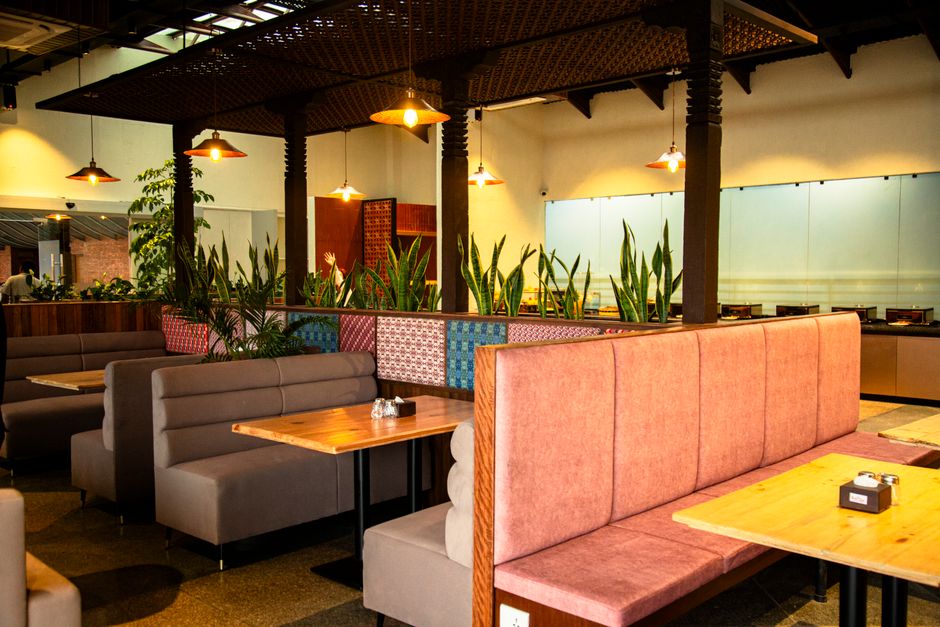
When it comes to the success of a restaurant, the interior design plays a pivotal role in shaping the overall dining experience. The ambiance, layout, and decor not only contribute to the aesthetic appeal but also influence customer behavior and satisfaction. In this article, we will explore the key elements of restaurant interior design, how to create a unique atmosphere, and the latest trends that can help restaurants stand out in a competitive market.
Understanding the Importance of Interior Design in Restaurants
Interior design is much more than just choosing colors and furniture; it is about creating an environment that resonates with the restaurant’s brand identity. According to a study by the Cornell University School of Hotel Administration, the ambiance of a restaurant can significantly impact customers’ perceptions of food quality and service. A well-designed space can enhance the dining experience, making customers more likely to return.
Moreover, interior design influences customer behavior. Research indicates that the layout and flow of a restaurant can affect how long customers stay and how much they spend. For example, an open layout may encourage guests to linger longer, leading to increased sales. Thus, understanding the psychology behind restaurant interior design is essential for creating an inviting atmosphere.
Key Elements of Effective Restaurant Interior Design
There are several crucial elements to consider when designing a restaurant’s interior. First and foremost is the theme or concept of the restaurant. Whether it’s a casual eatery, an upscale dining establishment, or a themed restaurant, the interior design should reflect this concept. For instance, a rustic Italian restaurant may feature wooden tables, warm lighting, and traditional decor that evokes the charm of Italy.
Secondly, color plays a vital role in setting the mood. Studies have shown that colors can evoke emotions and influence behavior. Warm colors like red and orange can stimulate appetite, while cool colors like blue and green may create a calming effect. Choosing the right color palette can enhance the dining experience and make the space more inviting.
Another important aspect is lighting. The right lighting can create an intimate atmosphere or a lively ambiance, depending on the restaurant’s target audience. For example, dim lighting with soft fixtures may be perfect for a romantic dinner, while bright, vibrant lighting may suit a family-friendly restaurant. Outdoor seating areas also benefit from well-planned lighting that enhances the dining experience after sunset.
Creating a Unique Atmosphere with Decor
Decor is where a restaurant can truly express its personality. Unique artwork, carefully chosen decor items, and engaging focal points can make a restaurant memorable. For instance, incorporating local art can create a connection with the community, while interactive elements like open kitchens or live cooking stations can create excitement among diners.
Furniture selection is equally critical. Comfortable seating encourages customers to relax and enjoy their meals. Additionally, the layout should promote social interaction while ensuring enough space for privacy. Balancing these aspects is key to creating a harmonious environment.
Lastly, sound is an often-overlooked element of interior design. Background music can enhance the dining experience, but it should be carefully selected to align with the restaurant’s theme. Too loud or inappropriate music can detract from the ambiance, while the right tunes can elevate the mood and encourage customers to linger.
Current Trends in Restaurant Interior Design
The world of restaurant interior design is ever-evolving, with new trends emerging regularly. One significant trend is sustainability. Many restaurants are now opting for eco-friendly materials, energy-efficient lighting, and sustainable practices to appeal to environmentally conscious consumers. This not only helps reduce the carbon footprint but also resonates with a growing demographic that values sustainability.
Another trend gaining popularity is the integration of technology. From digital menus to interactive dining experiences, technology can enhance convenience and engagement for customers. Incorporating tech-savvy elements can help a restaurant stay relevant and appealing to younger audiences.
Finally, the concept of flexible spaces is becoming increasingly important. As consumer preferences shift, restaurants are adapting by creating versatile areas that can be transformed for different purposes, such as dining, events, or takeout services. This adaptability can help maximize the use of space and cater to various customer needs.
Conclusion
In conclusion, restaurant interior design is a multifaceted discipline that requires careful consideration of various elements to create a memorable dining experience. From understanding the importance of ambiance to incorporating current trends, restaurant owners and designers must work together to craft spaces that not only attract customers but also keep them coming back. By paying attention to details such as layout, color, lighting, and decor, restaurants can set themselves apart in a competitive market and leave a lasting impression on their guests. To explore more about restaurant interior design and how to enhance your dining space, consider consulting with professionals who specialize in this field.
About the Author