
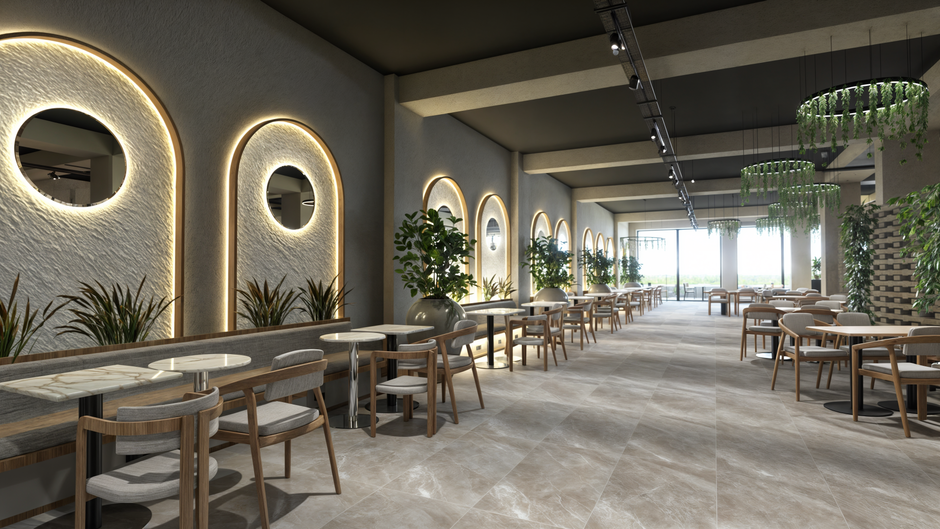
Creating the perfect atmosphere in a restaurant is a complex task that intertwines both artistry and functionality. A well-designed interior can not only enhance the dining experience but also influence customer retention and overall profitability. In this article, we will explore the essential elements of restaurant interior design, showcasing best practices and innovative trends that can elevate any dining establishment.
Understanding the Importance of Space
The layout of a restaurant is critical to its success. A well-thought-out space can improve the flow of service, making it easier for staff to navigate and for customers to enjoy their meals. For instance, open spaces can create a casual and inviting atmosphere, while a more segmented layout can offer privacy for diners. It’s essential to consider the type of dining experience you want to provide when designing your restaurant’s layout.
Moreover, the arrangement of furniture plays a significant role in how guests perceive the space. Tables should be spaced adequately to allow for comfortable movement, while still creating an intimate atmosphere. For example, using booths can provide a cozy feel, while communal tables may foster a more social dining experience.
Color Schemes and Lighting
Color and lighting are pivotal in shaping the mood of your restaurant. Warm colors, such as reds and oranges, can stimulate appetite, whereas cooler tones may promote relaxation. Choosing the right color palette should align with the theme of the restaurant, whether it’s a vibrant eatery or a sophisticated fine-dining establishment.
Lighting is equally important. Natural light can make a space feel open and inviting during the day, while ambient lighting can create a cozy atmosphere in the evening. Additionally, accent lighting can highlight specific areas, such as a bar or a feature wall. For instance, pendant lights over tables can create a focal point that draws diners’ attention.
Incorporating Unique Design Elements
To stand out in a competitive market, many restaurants are incorporating unique design elements that tell a story or reflect the brand identity. This could include custom art pieces, themed decorations, or even interactive installations. For example, a restaurant inspired by Italian cuisine might feature murals of Italian landscapes, while a farm-to-table establishment may showcase local art and natural materials.
Another trend is the use of sustainable materials in interior design. Eco-friendly options not only appeal to environmentally conscious consumers but also enhance the aesthetic appeal of a restaurant. Using reclaimed wood, recycled metals, and locally sourced materials can create a unique and inviting space that resonates with patrons.
Technology Integration in Design
In the digital age, integrating technology into restaurant design has become increasingly important. This could range from smart lighting systems that adjust based on the time of day to interactive menus that enhance the dining experience. For instance, some restaurants are implementing tablet systems for ordering, which can reduce wait times and streamline service.
Moreover, technology can also enhance the ambiance. Sound systems can be programmed to play specific types of music that complement the overall atmosphere, while digital displays can showcase menus, specials, or even chef profiles. These elements not only improve customer engagement but also create a modern dining experience.
Final Thoughts on Restaurant Interior Design
In conclusion, the interior design of a restaurant is a multifaceted aspect that requires careful consideration of various elements, from layout to color schemes and technology. By creating a cohesive and inviting atmosphere, restaurant owners can significantly influence customer satisfaction and retention. For more insights on enhancing your restaurant’s ambiance, consider exploring professional resources on restaurant interior design.
About the Author