
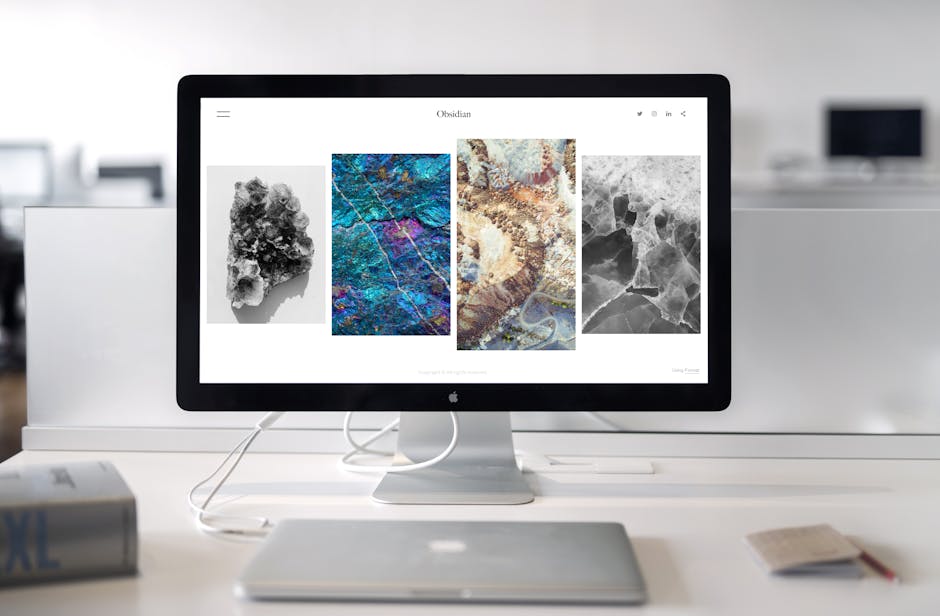
The world of web design is a fascinating blend of creativity and technology. As businesses increasingly shift their focus to online platforms, the importance of having a well-designed website cannot be overstated. A well-crafted web design not only attracts visitors but also enhances user experience, which in turn can lead to higher conversion rates. This article delves into the essential elements of effective web design, providing insights and practical tips for creating a successful online presence.
Understanding User Experience
User experience (UX) is a critical aspect of web design. It encompasses how users interact with a website and their overall satisfaction with that experience. A well-designed website should be intuitive, easy to navigate, and visually appealing. According to a study by the Nielsen Norman Group, users typically leave a site within 10-20 seconds if they do not find what they are looking for. This statistic highlights the necessity for effective UX design.
To enhance UX, designers should focus on creating a clear layout that guides users through the site effortlessly. This includes using consistent navigation menus and ensuring important information is easily accessible. Furthermore, incorporating elements like search bars, filters, and categories can significantly improve user experience by helping visitors find what they need quickly.
Another important factor in UX is the speed of the website. Research shows that a one-second delay in page load time can lead to a 7% reduction in conversions. Therefore, optimizing images, utilizing efficient coding practices, and choosing reliable hosting services are essential steps in ensuring a fast-loading website.
Responsive Design for Mobile Users
With the rise of smartphones and tablets, responsive design has become a necessity. A responsive website adapts to various screen sizes and devices, providing a seamless experience for users. According to Statista, mobile devices accounted for over 54% of global website traffic in 2021. This statistic underscores the importance of prioritizing mobile-friendly designs.
To create a responsive design, web developers can use flexible grids, layouts, and images, along with CSS media queries. This ensures that the website looks and functions well on any device, enhancing user engagement and satisfaction.
Moreover, Google emphasizes the importance of mobile-friendliness in its ranking algorithms. Websites that are not optimized for mobile devices may suffer in search engine rankings, making responsive design not only a user-friendly choice but also a crucial SEO strategy.
Visual Hierarchy and Aesthetics
Visual hierarchy refers to the arrangement of elements on a webpage in a way that guides the viewer’s attention. Effective use of colors, fonts, and spacing can significantly impact how users perceive information on a website. For instance, using larger fonts for headings and contrasting colors for calls-to-action can draw attention to key areas.
Moreover, the use of high-quality images can enhance the aesthetic appeal of a website. Studies show that visually appealing websites tend to retain users longer. Therefore, incorporating professional images and graphics can create a more engaging experience.
Additionally, consistency in design elements is vital. A cohesive color palette and uniform typography not only strengthen brand identity but also create a more professional look. This consistency helps in building trust with users, which is crucial for conversion rates.
The Role of Content in Web Design
Content is king in the world of web design. High-quality, relevant content is essential for attracting and retaining visitors. A well-designed website should integrate content that is not only informative but also engaging. This includes using clear headlines, bullet points, and images to break up text and make it more digestible.
Furthermore, incorporating SEO best practices into web design is crucial. This involves using keywords strategically, optimizing meta tags, and ensuring that content is easily shareable on social media. A website that combines effective design with strong content can significantly improve its visibility in search engine results.
Moreover, regularly updating content is vital for maintaining user interest and improving SEO rankings. Fresh, relevant content encourages return visits and can lead to higher engagement rates.
Measuring Success with Analytics
To determine the effectiveness of a web design, it is essential to utilize analytics tools. These tools provide insights into user behavior, traffic sources, and conversion rates. By analyzing this data, designers and business owners can identify areas for improvement and make informed decisions regarding their web design.
For example, tools like Google Analytics allow users to track metrics such as bounce rate, average session duration, and user demographics. Understanding these metrics can help in refining the web design to better meet user needs.
In addition, A/B testing can be an effective method for measuring which design elements perform best. By comparing two versions of a webpage, designers can assess which layout or content resonates more with users, allowing for continuous improvement.
Conclusion
Effective web design is a multifaceted discipline that combines aesthetics, functionality, and user experience. By focusing on elements such as responsive design, visual hierarchy, and quality content, businesses can create websites that not only attract visitors but also convert them into loyal customers. As the digital landscape continues to evolve, staying updated with the latest trends and best practices in web design is essential for maintaining a competitive edge. For those looking to enhance their online presence, professional web design services can provide valuable expertise and support.
To explore more about web design and its impact on business success, visit https://digitalheroes.co.in.
About the Author