Buying your first home is a significant milestone in life, often filled with excitement and anxiety. It involves a series of steps that can be overwhelming for many individuals. Understanding the home buying process is crucial to making informed decisions and avoiding common pitfalls. In this article, we will explore the essential steps, tips, and resources available for first time home buyers to navigate this journey successfully.
Understanding the Home Buying Process
The home buying process typically starts with determining your budget. It’s essential to assess your financial situation, including your income, savings, and credit score. Buyers should aim to have a clear picture of how much they can afford to spend on a home. A common recommendation is that your monthly housing expenses should not exceed 28% of your gross monthly income.
After establishing your budget, the next step is to get pre-approved for a mortgage. This process involves a lender reviewing your financial background to determine how much money they are willing to loan you. Pre-approval gives buyers a competitive edge in the housing market, as it shows sellers that you are a serious buyer with financial backing.
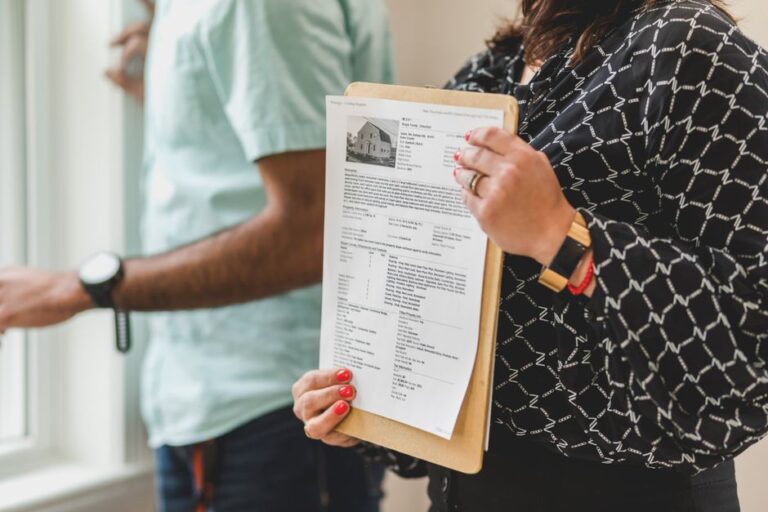
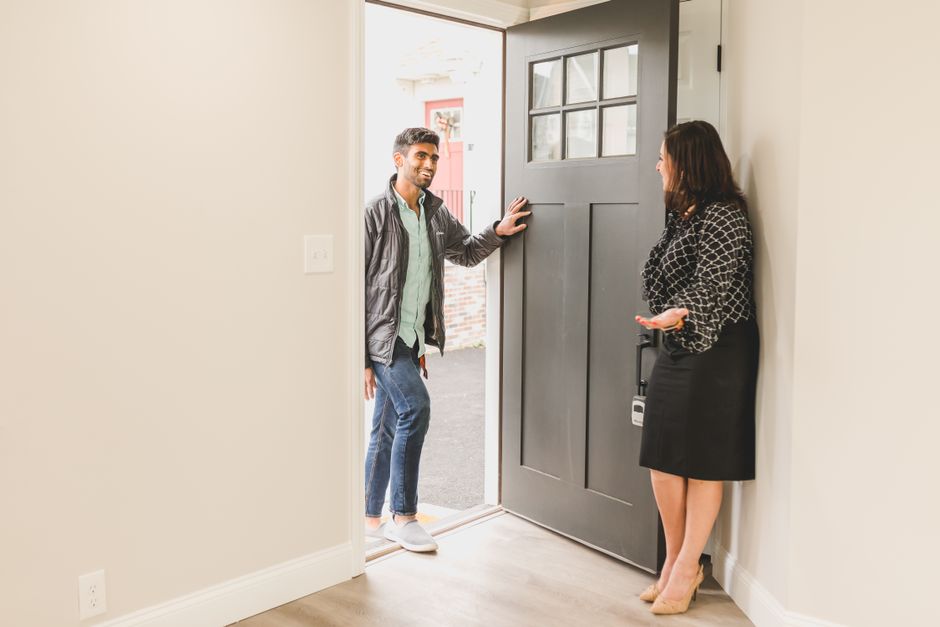
Once pre-approved, you can start searching for homes within your budget. This is where working with a real estate agent can be beneficial. They can help you find listings that meet your criteria and guide you through the negotiation process.
Choosing the Right Location
Location is one of the most critical factors to consider when buying a home. It affects your daily commute, access to amenities, and potential resale value. First time home buyers should research neighborhoods thoroughly before making a decision. Factors to consider include school districts, crime rates, and proximity to work and public transportation.
Additionally, it’s wise to visit potential neighborhoods at different times of the day and week to gauge the environment. Understanding the community vibe and its suitability for your lifestyle is essential. For example, families may prioritize areas with good schools and parks, while young professionals might focus on proximity to nightlife and workplaces.
Making an Offer and Closing the Deal
After finding the right home, the next step is making an offer. This is where negotiation skills come into play. Most sellers expect some negotiation on the price, so it’s important to have your real estate agent help you craft a compelling offer. Consider including contingencies such as a home inspection and appraisal to protect yourself in case any issues arise.
Once the offer is accepted, the closing process begins. This involves a lot of paperwork, including loan documents and property disclosures. During this period, a home inspection is crucial to identify any potential issues with the property. If significant problems are discovered, buyers can either negotiate repairs with the seller or walk away from the deal.
Financial Assistance and Resources for First Time Buyers
Many first time home buyers may not be aware of the various financial assistance programs available to them. Federal, state, and local governments often provide grants, loans, and tax credits to help make homeownership more accessible. Programs such as the FHA loan (Federal Housing Administration) are designed specifically for first time buyers and require lower down payments and credit scores.
Additionally, various non-profit organizations offer education and resources for first time home buyers. Taking advantage of these resources can provide valuable insights and guidance on the home buying process.
Common Mistakes to Avoid
First time home buyers often make several common mistakes that can lead to regret after the purchase. One of the biggest pitfalls is failing to budget for additional costs associated with homeownership, such as property taxes, insurance, and maintenance. Buyers should also be cautious about overextending themselves financially, as this can lead to long-term financial strain.
Another mistake is not conducting thorough research on the property and neighborhood. Buyers should invest time in understanding the market trends and property values in their desired areas. This knowledge can help them make better investment decisions.
Conclusion
Becoming a home owner for the first time is a rewarding journey, but it requires careful planning and informed decision-making. By understanding the home buying process, choosing the right location, making informed offers, and being aware of available resources, first time home buyers can navigate this complex landscape with confidence. Remember, seeking advice from experienced professionals and learning from others’ experiences can greatly enhance your chances of a successful purchase. For more detailed guidance, check out our comprehensive guide for the first time home buyer.
About the Author