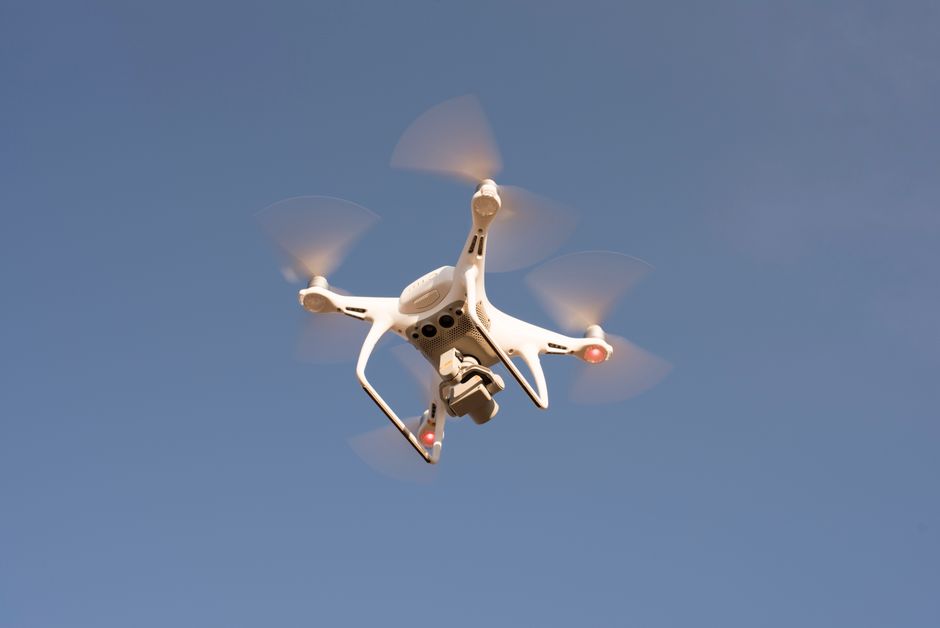
Aerial drone photography has revolutionized the way we capture and perceive our surroundings. With advancements in technology, individuals and professionals alike can now access stunning aerial views that were once reserved for high-altitude aircraft. This article delves into the intricacies of aerial drone photography, its applications, and tips for producing breathtaking images.
The Evolution of Aerial Photography
Aerial photography has a rich history, dating back to the 19th century when balloons and kites were used to capture images from above. However, it was not until the introduction of drones in the 21st century that aerial photography became widely accessible. Today, drones equipped with high-resolution cameras allow photographers to take detailed images and videos from unique perspectives.
According to a report by the Federal Aviation Administration (FAA), the number of commercial drone registrations has skyrocketed, indicating a growing interest in this medium. In 2020 alone, it was estimated that there were over 1.7 million registered drones in the United States. This surge has not only democratized aerial photography but has also opened up new avenues for creativity.
With the ability to capture sweeping landscapes, intricate cityscapes, and intimate portraits from above, aerial drone photography provides a fresh perspective that traditional photography often cannot achieve. The continuous improvement in drone technology, including better battery life and enhanced camera capabilities, makes it an increasingly popular choice for both hobbyists and professionals.
Applications of Aerial Drone Photography
The versatility of aerial drone photography is evident in its diverse applications across various fields. Real estate agents use drones to showcase properties from eye-catching angles, giving potential buyers a comprehensive view of the property and its surroundings. This approach not only enhances listings but can also speed up the sales process.
In the realm of filmmaking, aerial shots have become integral to storytelling. Drones allow filmmakers to capture sweeping vistas and dynamic action sequences that engage audiences. For instance, blockbuster movies often employ drones to create visually stunning scenes that transport viewers to breathtaking locations.
Moreover, industries like agriculture and construction have embraced aerial drone photography for practical purposes. Farmers utilize drones to monitor crop health and optimize irrigation, while construction managers employ aerial images for site assessments and progress tracking. By leveraging aerial perspectives, these industries can make informed decisions that ultimately lead to increased efficiency and productivity.
Techniques for Stunning Aerial Photography
To master the art of aerial drone photography, one must consider various techniques that can elevate the quality of their images. First and foremost, understanding the fundamentals of composition is essential. The rule of thirds, leading lines, and framing techniques can all enhance the visual appeal of aerial shots.
Lighting plays a crucial role in photography, and aerial images are no exception. Photographers should aim to shoot during the golden hour—shortly after sunrise or before sunset—when the natural light is soft and warm. This time of day creates a magical atmosphere that can transform ordinary scenes into extraordinary photographs.
Additionally, utilizing various flight modes and settings on drones can significantly impact the final result. For instance, using a slow flight speed allows for smoother footage, while adjusting camera settings such as ISO and shutter speed can help achieve the desired exposure and clarity.
Legal Considerations in Aerial Drone Photography
As the popularity of aerial drone photography grows, so does the need for understanding legal regulations. In many countries, including the United States, drone operators must comply with specific rules set forth by aviation authorities. For instance, the FAA requires commercial drone pilots to obtain a Remote Pilot Certificate and adhere to guidelines such as flying below 400 feet and maintaining visual line of sight.
Furthermore, respecting privacy is paramount in aerial photography. Photographers should be aware of the boundaries when capturing images of private property and ensure that they are not infringing on individuals’ rights. Obtaining permission before flying over private land is not only respectful but can also prevent potential legal issues.
As drone technology evolves, so too will the regulations surrounding it. Staying informed about local laws and practicing responsible flying is essential for anyone interested in pursuing aerial drone photography.
Conclusion
Aerial drone photography offers a unique opportunity to explore and capture the world from a fresh perspective. As technology continues to advance, the possibilities for creativity and innovation in this field are limitless. Whether for personal enjoyment or professional use, mastering aerial photography can lead to stunning visual storytelling and unforgettable experiences. As you embark on your aerial photography journey, consider resources and experts in the field, such as aerial drone photography companies, to further enhance your skills and knowledge.
About the Author