
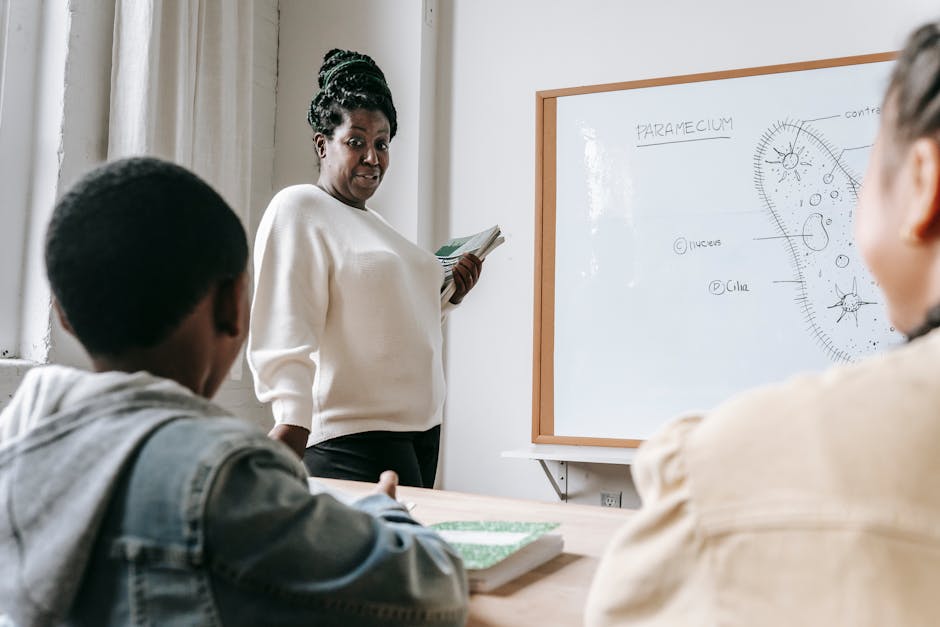
Education has always been a cornerstone of society, shaping individuals and communities alike. As we move further into the 21st century, the landscape of education is undergoing rapid transformations driven by technology, societal changes, and evolving pedagogical theories. This article explores the significant trends and innovations that are redefining education today, highlighting their implications for students, educators, and institutions.
Technology Integration in Classrooms
The integration of technology in classrooms is perhaps the most visible trend in modern education. Smartboards, tablets, and online learning platforms are becoming commonplace, allowing for more interactive and engaging learning experiences. According to a study by the Pew Research Center, over 80% of teachers believe that technology helps students engage more in their studies.
One notable example is the use of learning management systems (LMS) that enable teachers to distribute materials, track student progress, and facilitate communication. These systems not only streamline administrative tasks but also provide a wealth of resources for students, allowing for a more personalized learning experience.
Moreover, technology facilitates access to a vast amount of information. Students can now access online libraries, educational videos, and research articles from anywhere in the world. This democratization of knowledge is crucial in providing equal opportunities for all learners, regardless of their geographical location.
The Rise of Online Learning
Online learning has surged in popularity, particularly accelerated by the pandemic. Institutions have increasingly adopted online courses, offering flexibility and accessibility to students. The Global Online Learning Market is expected to reach $350 billion by 2025, highlighting the growing acceptance of this mode of education.
Online platforms like Coursera and edX provide learners with courses from top universities, allowing them to learn at their own pace. This shift not only caters to diverse learning styles but also enables working professionals to upskill without disrupting their careers.
However, online learning is not without challenges. Issues such as student engagement, assessment integrity, and the digital divide must be addressed to ensure that this mode of education can be effective and equitable. For instance, students from underprivileged backgrounds may lack access to reliable internet or devices, hampering their ability to participate fully in online courses.
Personalized Learning Experiences
Personalized learning is gaining traction as educators recognize that each student has unique needs and learning styles. This approach tailors the educational experience to fit individual student preferences and paces, promoting better engagement and understanding.
Adaptive learning technologies are at the forefront of this trend, using algorithms to adjust content according to student performance. For instance, platforms like DreamBox Learning and Knewton provide customized math and reading lessons based on real-time data analysis of student responses.
Moreover, project-based learning and inquiry-based learning are becoming popular methodologies that encourage students to take an active role in their education. These approaches foster critical thinking and problem-solving skills, preparing students for real-world challenges.
Emphasis on Social and Emotional Learning
In recent years, there has been a growing recognition of the importance of social and emotional learning (SEL) in education. SEL focuses on developing students’ emotional intelligence, resilience, and interpersonal skills, which are essential for success in both academic and personal settings.
Schools are increasingly incorporating SEL programs into their curricula, recognizing that students’ emotional well-being directly impacts their academic performance. According to the Collaborative for Academic, Social, and Emotional Learning, schools that implement SEL programs see improvements in student behavior, academic achievement, and mental health.
As educators prioritize SEL, they are also creating supportive environments that foster inclusivity and respect. This shift is crucial in addressing the diverse needs of students and preparing them to navigate complex social landscapes.
Conclusion: Embracing Change in Education
The future of education is bright, filled with potential for innovation and improvement. As we embrace technology, online learning, personalized experiences, and social-emotional learning, it is essential to remain adaptable and responsive to the needs of learners. By doing so, we can create an educational landscape that not only imparts knowledge but also cultivates well-rounded individuals prepared to thrive in an ever-changing world. As part of this evolution, many educators are exploring new methods such as In person Nclex review in Houston, which exemplifies the commitment to enhancing educational experiences through innovative approaches.
About the Author