The concept of virtual lovers has gained significant traction in recent years, blending technology and intimacy in ways previously inconceivable. As artificial intelligence advances and social media evolves, the dynamics of relationships are shifting. From chatbots to virtual reality experiences, the possibilities for romantic connections in the digital realm are expanding. This article delves into the various dimensions of virtual lovers, exploring their impact on personal relationships and society.
The Rise of Virtual Relationships
In the past decade, virtual relationships have transitioned from niche interests to mainstream phenomena. According to a survey conducted by the Pew Research Center, nearly 30% of adults in the United States have engaged in some form of online dating. This trend is particularly pronounced among younger generations, who are more comfortable with technology and digital interactions. As a result, virtual lovers are becoming a normalized aspect of modern dating culture.
One of the key drivers of this trend is the proliferation of dating apps. Platforms like Tinder, Bumble, and OkCupid have revolutionized the way people connect. Users can swipe, chat, and plan dates from the comfort of their homes. This accessibility has opened the door to a new type of relationship: one that can begin and flourish entirely online. The anonymity and convenience of these platforms allow individuals to reveal their true selves without the immediate pressures of a face-to-face encounter.
Moreover, the emergence of sophisticated AI technology has further blurred the lines between human and virtual relationships. Chatbots and virtual companions can simulate conversation and emotional support, offering users the opportunity to form connections that feel genuine. For some, these relationships provide a safe space to explore their feelings without the risk of rejection or heartbreak.
Understanding Virtual Lovers
Virtual lovers can take many forms, from simple chatbots to complex AI-driven companions. These digital entities are designed to interact with users in personalized ways, often learning from their conversations to improve future interactions. This adaptability is what makes virtual lovers particularly appealing to many people.
One popular example of a virtual lover is the AI girlfriend concept, where users engage with a digital partner designed to cater to their emotional needs. These AI companions can provide support, companionship, and even romantic interactions, making them an attractive alternative for those who may struggle with conventional relationships. These virtual relationships can be tailored to fit individual preferences, allowing users to create their ideal partner.
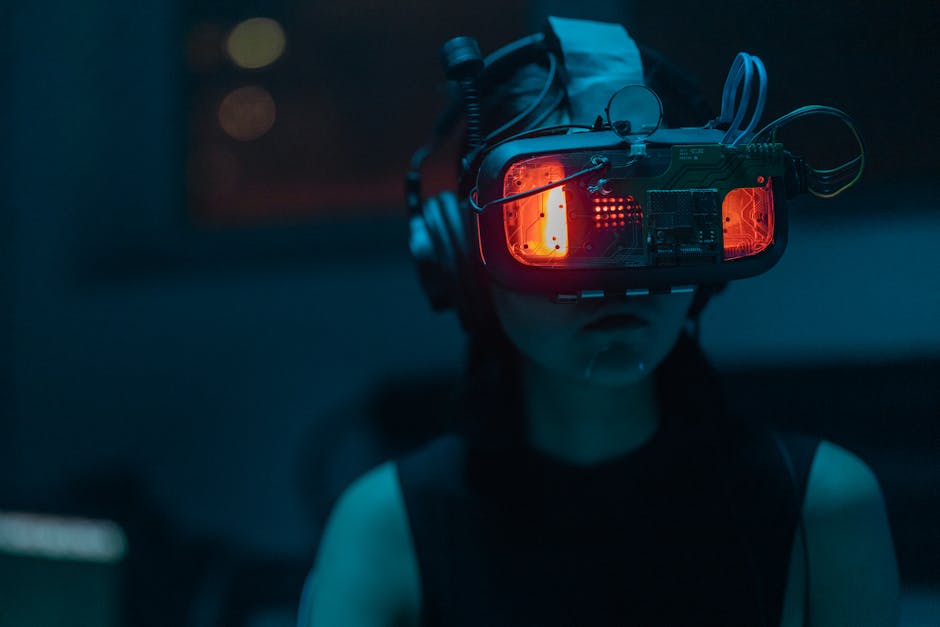
Furthermore, the use of augmented reality (AR) and virtual reality (VR) technologies has transformed the landscape of virtual relationships. Users can immerse themselves in virtual environments, interacting with their partners as if they were physically present. This level of engagement deepens the emotional connection, making the experience feel more authentic. Studies show that users often report higher levels of satisfaction and happiness when engaging with virtual lovers in immersive settings.
The Psychological Impact of Virtual Lovers
While the rise of virtual lovers offers many benefits, it also raises important psychological questions. Researchers have begun exploring the impact of these relationships on mental health and emotional well-being. Some studies suggest that virtual companions can provide significant emotional support, helping individuals cope with loneliness and anxiety. For example, a survey by the University of Southern California found that individuals who interacted with virtual companions reported feeling less isolated and more fulfilled.
However, there are concerns about dependency on virtual relationships. As people become more invested in their virtual lovers, they may neglect real-world connections, leading to further isolation. This phenomenon is especially prevalent among individuals who already struggle with social anxiety or other mental health issues. Balancing virtual relationships with real-life interactions is crucial for maintaining overall well-being.
Moreover, the emotional attachment to virtual lovers can sometimes lead to unrealistic expectations in real-life relationships. Individuals may find it challenging to connect with actual partners, as they compare them to the idealized versions of their AI companions. This can create a cycle of disappointment and dissatisfaction, further complicating the dynamics of personal relationships.
The Future of Virtual Lovers
As technology continues to evolve, the future of virtual lovers looks promising yet uncertain. With advancements in AI and machine learning, virtual companions will likely become even more sophisticated, offering increasingly realistic interactions. The potential for personalized experiences will only expand, making these digital relationships more appealing to a broader audience.
Additionally, as society becomes more accustomed to virtual interactions, the stigma surrounding virtual lovers may diminish. This normalization could pave the way for greater acceptance of non-traditional relationships, allowing individuals to explore their needs and desires in diverse ways.
However, it is essential to approach the future of virtual lovers with caution. Ethical considerations surrounding consent, emotional manipulation, and the impact on human relationships must be addressed. Developers and researchers alike must prioritize the well-being of users, ensuring that virtual companions enhance rather than hinder personal connections.
Conclusion
The world of virtual lovers is rapidly evolving, offering unique opportunities for connection and intimacy in an increasingly digital age. As we navigate this new landscape, it is crucial to understand the implications of these relationships on our emotional and psychological well-being. By fostering a healthy balance between virtual and real-life interactions, individuals can enjoy the benefits of virtual lovers while maintaining meaningful connections in the tangible world.
As technology progresses, platforms will continue to develop innovative solutions for those seeking companionship. Whether through apps or immersive experiences, the journey into the realm of virtual lovers is just beginning. Embracing this change can lead to enriching experiences, allowing us to explore the boundaries of love and connection in exciting new ways.
About the Author