
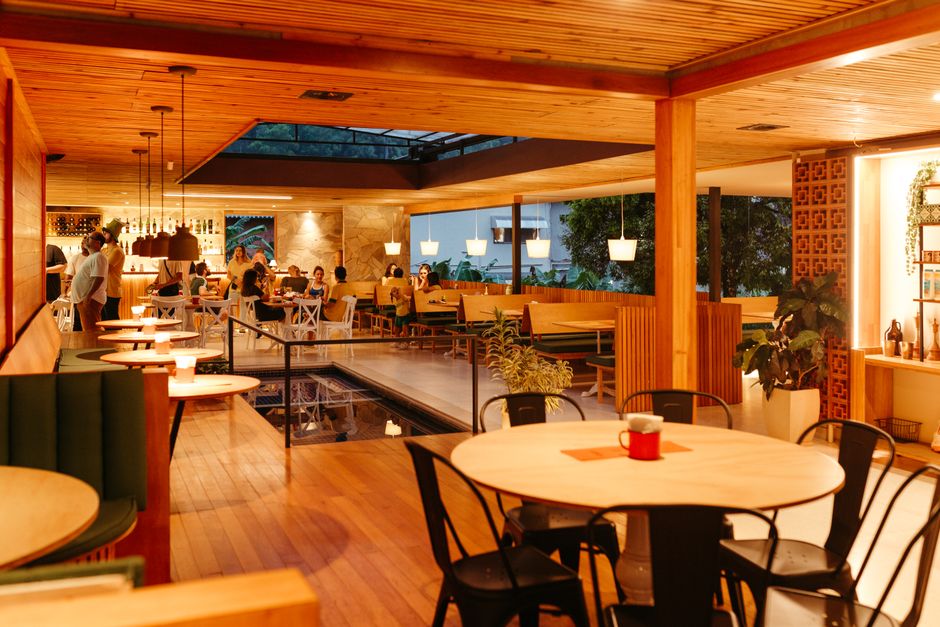
In the competitive world of gastronomy, the ambiance of a restaurant can play a crucial role in attracting and retaining customers. Restaurant interior design goes beyond mere aesthetics; it creates an experience that resonates with diners. A well-designed space can enhance the dining experience, promote customer satisfaction, and ultimately drive business success.
The Importance of First Impressions
First impressions are critical in any business, but especially in the restaurant industry. Studies show that most customers form an opinion about a restaurant within the first 10 seconds of entering. The design elements, from layout to color schemes, significantly impact these initial thoughts. For example, a cozy and welcoming atmosphere can make diners feel at home, while a sleek, modern design may attract a younger demographic.
Moreover, the choice of furniture, lighting, and decor can communicate the type of cuisine and service style offered. A casual bistro might opt for rustic wooden tables and soft lighting, while a high-end restaurant may choose elegant chandeliers and fine dining tables. These choices not only reflect the restaurant’s brand identity but also set the tone for the overall dining experience.
Key Elements of Effective Restaurant Interior Design
When planning a restaurant’s interior, several key elements must be taken into account. The layout is perhaps the most critical aspect; it dictates how customers flow through the space and interact with both the staff and each other. An effective layout will optimize seating capacity without sacrificing comfort.
Color schemes also play a vital role in interior design. Different colors evoke various emotions and can influence customer behavior. For instance, warm colors like red and orange tend to stimulate appetite, while cooler colors like blue can create a calm and relaxed environment. Understanding the psychology of color can greatly enhance the overall dining experience.
Lighting is another essential factor. It can create ambiance, highlight architectural features, and even influence the perception of food quality. A well-lit space can make dishes appear more appetizing, while dim lighting may encourage diners to linger longer, increasing the chances of additional orders.
Trends in Restaurant Interior Design
The restaurant industry is constantly evolving, and so are the design trends that come with it. One notable trend is the incorporation of sustainable materials in interior design. Many restaurants now prioritize eco-friendly furnishings and decor, reflecting a growing consumer preference for sustainability.
Another trend is the use of open layouts, which promote a sense of community and interaction among diners. Open kitchens, for instance, allow guests to watch chefs at work, creating a unique dining experience that connects customers with the culinary process. This transparency can build trust and enhance the overall enjoyment of the meal.
Technology integration is also becoming increasingly important. From digital menus to smart lighting systems, technology can enhance functionality and convenience in restaurant design. For example, using an app to manage table reservations can streamline operations while providing a seamless experience for customers.
Case Studies: Successful Restaurant Designs
Examining successful restaurant designs can provide valuable insights into effective interior design strategies. One notable example is the acclaimed restaurant Blue Hill at Stone Barns in New York. The rustic yet modern design incorporates natural materials and local elements, creating an immersive experience that reflects its farm-to-table philosophy.
Another example is the minimalist design of Noma in Denmark, which focuses on simplicity and functionality. The use of natural light, muted colors, and organic materials creates a serene environment that allows the food to take center stage. These case studies highlight how thoughtful design can enhance the dining experience and reinforce a restaurant’s brand identity.
Conclusion: The Future of Restaurant Interior Design
As the restaurant industry continues to evolve, so too will the principles of interior design. The focus will likely shift toward creating more personalized and immersive experiences for diners. Restaurants that prioritize thoughtful, innovative design will not only attract customers but also foster loyalty in an increasingly competitive market.
In conclusion, restaurant interior design is a critical component of a successful dining experience. By understanding the importance of first impressions, the key elements of design, current trends, and successful case studies, restaurateurs can create spaces that not only attract customers but also keep them coming back for more. For those looking to delve deeper into the art of creating captivating spaces, exploring resources on restaurant interior design can provide additional inspiration and guidance.
About the Author