
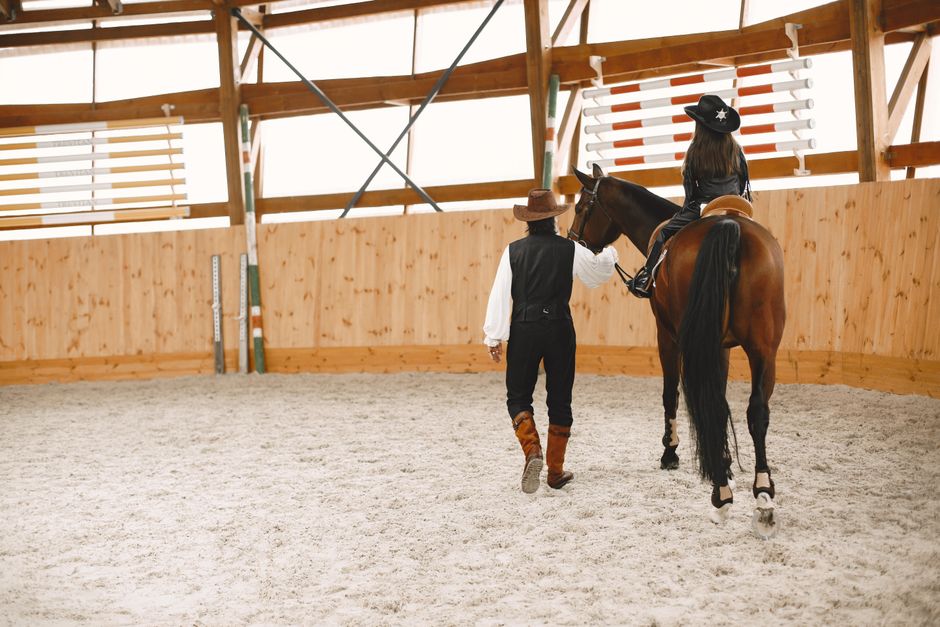
Horse riding is not just a thrilling adventure; it’s also a fantastic way to build skills, confidence, and a deeper connection with these majestic animals. Whether you are a complete novice or looking to refine your skills, horse riding lessons can offer something for everyone. In this article, we will explore the benefits of horse riding lessons, what to expect, and how to choose the right program for your needs.
The Benefits of Horse Riding
Horse riding is an activity that combines physical exercise with mental stimulation. It engages various muscle groups, improving balance and coordination. Studies have shown that riders develop stronger core muscles and better posture over time. Moreover, interacting with horses has therapeutic benefits; it can alleviate stress and promote a sense of well-being. In fact, many therapeutic riding programs are designed for individuals with disabilities, demonstrating the profound impact of horseback riding on mental health.
Additionally, riding instills a sense of responsibility and commitment. Taking care of a horse requires dedication, and learning how to groom, saddle, and ride enhances your understanding of animal behavior. This relationship fosters a bond that can be incredibly rewarding. Riders often report feeling a deep sense of accomplishment after mastering new skills, which can translate into other areas of life.
What to Expect in Horse Riding Lessons
When you enroll in horse riding lessons, the first thing you will notice is the structured environment. Most riding schools will start with a brief orientation to familiarize you with the horses and equipment. Safety is paramount; you will learn how to properly wear a riding helmet and the rules of horse handling. This initial introduction sets the stage for a productive learning experience.
Lessons typically include a mix of theory and practical riding time. You will learn about horse anatomy, tack (equipment), and riding techniques. In the beginning, lessons may focus on basic skills, such as mounting, dismounting, and walking the horse. As you progress, you’ll learn to trot, canter, and even jump, depending on your goals. Each lesson is tailored to your skill level and needs, ensuring a personalized experience.
Choosing the Right Riding School
With many riding schools available, selecting the right one can be daunting. Start by researching local facilities and reading reviews. A reputable school should prioritize safety and maintain well-cared-for horses. Consider visiting the school to observe a lesson and ask questions about their teaching philosophy.
Moreover, it’s essential to find an instructor who aligns with your learning style. Some riders prefer a more structured approach, while others thrive in a relaxed environment. Look for instructors who are certified and have experience teaching students of your level. A good instructor will not only teach you how to ride but also help you develop a deeper understanding of horses.
Cost Considerations for Horse Riding Lessons
The cost of horse riding lessons can vary significantly depending on location, facility, and lesson type. Group lessons tend to be more economical than private sessions. On average, you can expect to pay anywhere from $30 to $100 per lesson. Some schools offer package deals that can reduce the overall cost. Remember to factor in additional expenses, such as riding gear and equipment, which can add up quickly.
Many riding schools also offer trial lessons, which can be a low-cost way to see if the program is a good fit for you. Be sure to ask about any discounts for beginners or off-peak lesson times. With proper research and budgeting, you can find a program that fits both your interests and your financial situation.
The Community Aspect of Horse Riding
One of the lesser-known benefits of engaging in horse riding lessons is the community aspect. Joining a riding school can connect you with a network of fellow equestrians. Many schools host events, competitions, and social gatherings, providing opportunities to make friends and share experiences. This sense of community can enhance your learning experience and provide motivation.
Additionally, participating in group lessons fosters camaraderie among riders. Sharing challenges and successes can create lasting friendships, which often extend beyond the riding arena. These relationships can provide emotional support and encouragement as you progress in your riding journey.
Conclusion
In conclusion, horse riding lessons offer a unique blend of physical, mental, and emotional benefits. From developing riding skills to fostering a connection with horses, the experience can be transformative. Whether you are looking to ride for fun, competition, or personal growth, investing in horse riding lessons is a decision that can enrich your life in many ways. So, if you are ready to embark on this exciting journey, consider exploring the various options available, including horse riding lessons at your local equestrian center. Happy riding!
About the Author