
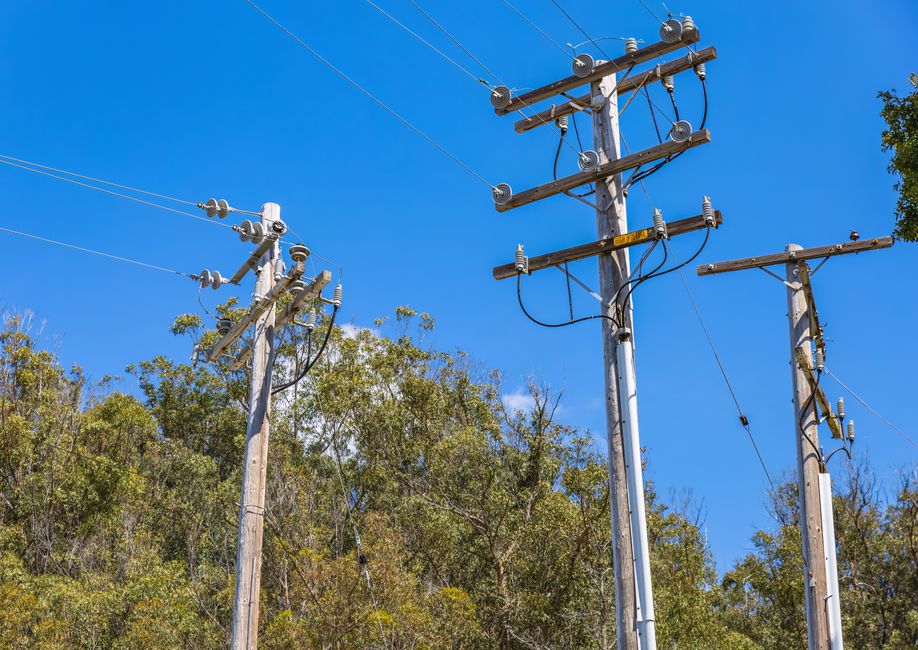
In today’s world, choosing the right electricity provider can significantly impact your monthly expenses and overall satisfaction. With numerous options available, navigating through the various plans, rates, and services can be a daunting task for many consumers. This article aims to provide a detailed overview of how to effectively compare electricity providers, ensuring you make an informed decision that suits your needs.
Understanding Your Electricity Needs
Before diving into the comparison process, it’s essential to understand your own electricity consumption patterns. Analyzing your electricity bills from the past year can provide valuable insights. Look for information on your average monthly usage, peak usage times, and any seasonal fluctuations. This data will serve as a foundation for comparing different providers and their plans.
For instance, if you notice a significant increase in your usage during summer months due to air conditioning, it might be worthwhile to look for providers that offer plans tailored to seasonal variations. Understanding your needs will help you narrow down your options effectively, leading to a more efficient electricity provider comparison.
Types of Electricity Plans
Electricity providers typically offer various types of plans, including fixed-rate, variable-rate, and time-of-use plans. Fixed-rate plans lock in your electricity rate for a specified term, providing predictability in your monthly bills. This can be advantageous if you are concerned about rising energy costs.
On the other hand, variable-rate plans fluctuate based on market conditions. While these plans can result in lower costs during certain months, they also carry the risk of higher bills when demand surges. Time-of-use plans charge different rates based on the time of day. If your lifestyle allows for flexibility in your energy usage, this could be a cost-effective option.
Comparing Rates and Fees
When comparing electricity providers, it’s crucial to look beyond just the rates. Many providers have additional fees, such as connection fees, late payment fees, or even cancellation fees. These costs can add up, so it’s important to read the fine print before making a decision.
Additionally, consider any promotional rates that may apply. Some providers offer introductory rates that are lower for the first few months but can increase significantly after that period. Always calculate the total cost of the plan over a year to get a clear picture of what you will pay.
Customer Service and Reliability
Another vital aspect to consider in your comparison is the level of customer service and reliability of the electricity provider. Research customer reviews and ratings to gauge the provider’s reputation. Look for feedback regarding their responsiveness to outages, billing issues, and overall customer support.
In addition, check the provider’s track record for reliability. This information is often available through public utility commissions or consumer advocacy groups. A provider with a history of outages may not be the best choice, even if their rates are competitive.
Renewable Energy Options
As more consumers become environmentally conscious, many electricity providers now offer plans that source energy from renewable resources. If supporting sustainable energy is important to you, consider looking for providers that offer green energy options.
These plans may come at a premium, but they contribute to reducing your carbon footprint and supporting renewable energy development. Many consumers are willing to pay a bit more for the benefit of sustainability, making this an essential factor in the overall electricity provider comparison.
Conclusion
Choosing the right electricity provider is not just about finding the lowest rate; it’s about finding a plan that aligns with your consumption habits, financial preferences, and values. By understanding your electricity needs, comparing the types of plans available, and considering factors like customer service and sustainability, you can make a well-informed decision. Take your time with the comparison process, and don’t hesitate to reach out to providers with questions to ensure you find the best fit for your needs.
About the Author