The increasing demand for renewable energy sources has brought energy storage systems (ESS) to the forefront of modern energy solutions. As the world transitions to cleaner energy, the need for efficient storage solutions becomes paramount. Energy storage systems play a crucial role in stabilizing the grid, managing supply and demand, and enhancing the reliability of power systems. In this article, we will explore the various types of energy storage systems, their applications, and their impact on the future of energy.
Understanding Energy Storage Systems
Energy storage systems are devices or technologies that store energy for later use. They can be categorized into several types, including mechanical, electrical, thermal, and chemical storage. Each type has its unique advantages and applications. For instance, mechanical storage systems like pumped hydro storage are well-suited for large-scale applications, while battery storage systems are increasingly popular for both residential and commercial use.
The technology behind energy storage systems has evolved significantly over the past few decades. Innovations in battery technology, such as lithium-ion and solid-state batteries, have improved energy density and efficiency, making them a viable option for various applications.
Types of Energy Storage Systems
1. **Mechanical Energy Storage**: This includes systems like pumped hydro storage and flywheels. Pumped hydro storage works by pumping water to a higher elevation during low demand and releasing it to generate electricity during peak demand. Flywheels, on the other hand, store kinetic energy and can provide rapid bursts of power, making them ideal for grid stabilization.
2. **Electrical Energy Storage**: This primarily involves batteries, which can be further divided into different chemistries, such as lithium-ion, lead-acid, and flow batteries. Lithium-ion batteries dominate the market due to their high energy density and decreasing costs. Flow batteries, while currently less common, offer advantages in scalability and longevity.
3. **Thermal Energy Storage**: This technology stores energy in the form of heat. It is commonly used in concentrated solar power plants, where heat is stored in materials like molten salt and used to generate electricity when the sun isn’t shining.
4. **Chemical Energy Storage**: Hydrogen storage is a notable example of this type. Hydrogen can be produced through electrolysis using excess renewable energy and stored for later use, either in fuel cells or as a direct fuel source.
Applications of Energy Storage Systems
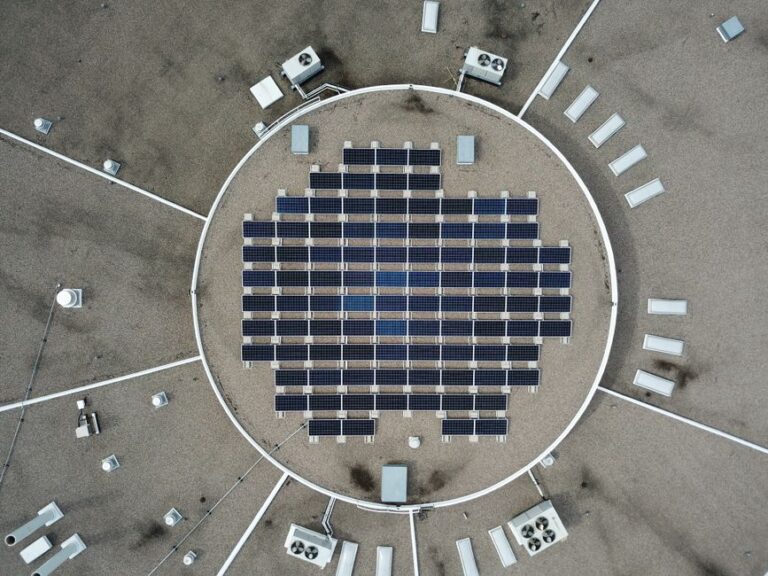
Energy storage systems have a wide range of applications across various sectors. In the residential sector, they enable homeowners with solar panels to store excess energy generated during the day for use at night. In commercial settings, businesses can utilize energy storage to reduce demand charges and increase energy efficiency.
Utility companies also benefit from energy storage systems by using them to balance supply and demand on the grid. During periods of high demand, stored energy can be released to prevent outages and maintain stability. Additionally, energy storage can help integrate more renewable energy sources into the grid, reducing reliance on fossil fuels.
The Future of Energy Storage Systems
As the world continues to shift towards renewable energy, the role of energy storage systems will only become more critical. Investments in research and development are leading to breakthroughs in battery technology, making energy storage more efficient and cost-effective. According to recent studies, the global energy storage market is expected to grow significantly, with estimates suggesting it could reach over $500 billion by 2030.
Moreover, advancements in smart grid technology and energy management systems are paving the way for more integrated and intelligent energy solutions. As energy storage systems become more prevalent, they will play a key role in shaping the future energy landscape, allowing for a more resilient and sustainable energy system.
Conclusion
In conclusion, energy storage systems are essential components of modern energy infrastructure. They provide the flexibility needed to manage intermittent renewable energy sources and ensure a reliable power supply. As technology continues to evolve and costs decrease, the adoption of energy storage systems will become increasingly widespread, marking a pivotal shift towards a cleaner and more sustainable energy future. The importance of these systems cannot be overstated, as they are crucial in facilitating the transition to a decarbonized energy system.
About the Author