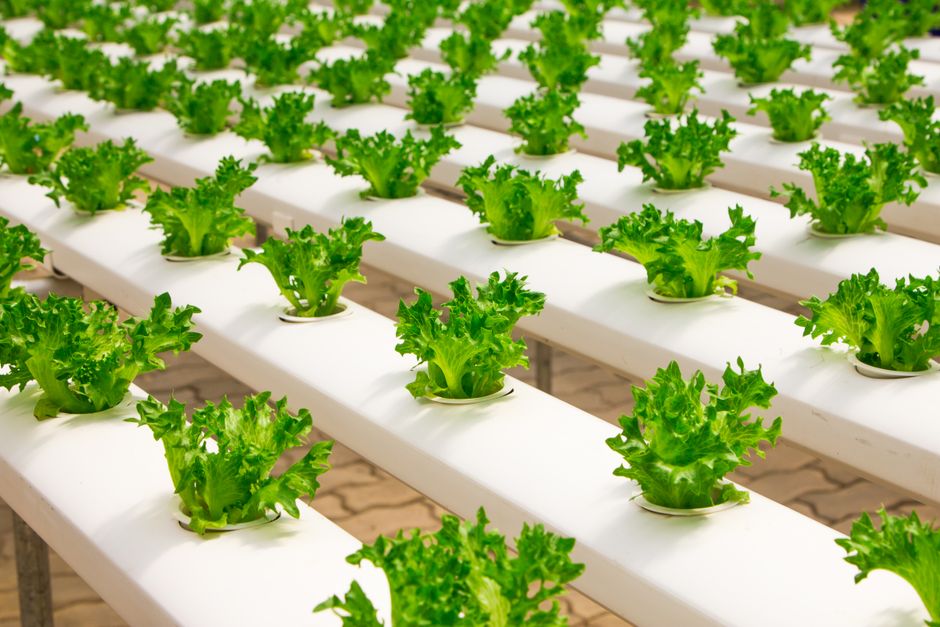
The world is facing significant challenges in food production due to rapid urbanization, climate change, and a growing population. As traditional agricultural methods struggle to keep pace, innovative solutions are emerging to address these issues. One such solution is vertical farming technology, which promises to change the way we grow food in urban environments. By utilizing advanced techniques and controlled environments, vertical farming offers a sustainable and efficient alternative to conventional agriculture.
Understanding Vertical Farming
Vertical farming refers to the practice of growing crops in vertically stacked layers, often integrated into other structures like buildings or shipping containers. This method utilizes controlled-environment agriculture (CEA) technology, allowing for optimized conditions for plant growth. The primary goal is to maximize space and resources while minimizing the environmental impact associated with traditional farming.
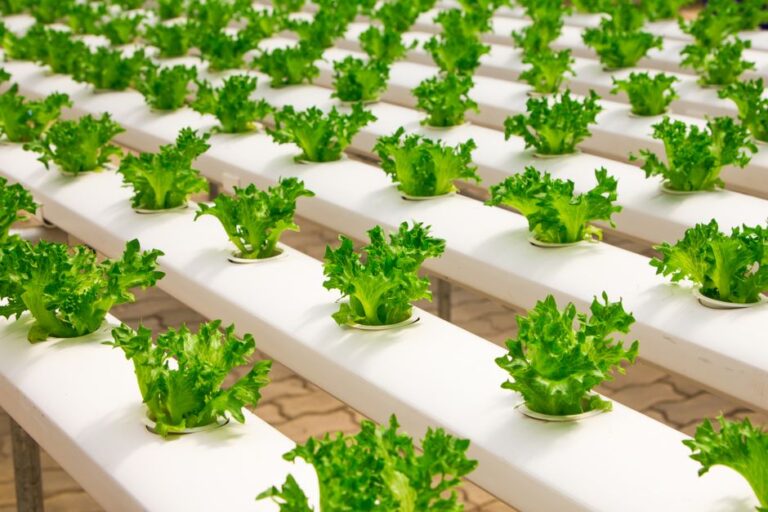
In a typical vertical farm, various techniques are employed, including hydroponics, aeroponics, and aquaponics. Hydroponics involves growing plants in nutrient-rich water solutions, while aeroponics uses mist to deliver nutrients directly to the roots. Aquaponics combines hydroponics with fish farming, creating a symbiotic environment where fish waste provides nutrients for the plants. These methods not only conserve water but also reduce the need for harmful pesticides, making vertical farming a more sustainable option.
The Benefits of Vertical Farming Technology
Vertical farming technology offers numerous advantages over traditional agriculture. First and foremost, it allows for year-round crop production, irrespective of external weather conditions. This consistency ensures a steady supply of fresh produce, which is particularly crucial in urban areas where access to fresh food can be limited.
Moreover, vertical farms can be established in urban centers, reducing transportation costs and carbon footprints associated with food distribution. By growing food closer to consumers, vertical farming can significantly decrease the time it takes for produce to reach the market. For instance, a study found that vertical farms can reduce food miles by up to 90%, leading to fresher and more nutritious food options for urban dwellers.
Technological Innovations Driving Vertical Farming
The success of vertical farming technology is heavily reliant on advancements in various fields, particularly in automation and data analytics. Smart farming technologies such as sensors and IoT devices play a critical role in monitoring and managing plant growth. For instance, farmers can track temperature, humidity, and nutrient levels in real-time, enabling precise adjustments to optimize crop yield.
Additionally, artificial intelligence (AI) and machine learning algorithms are being integrated into vertical farming systems. These technologies analyze data to predict plant growth patterns and optimize resource usage. For example, AI can help determine the best time to harvest crops based on growth rates, ensuring maximum yield and quality.
Challenges and Future Prospects
Despite the numerous benefits, vertical farming technology is not without its challenges. The high initial setup costs can be a significant barrier for many entrepreneurs and companies looking to invest in this innovative agricultural method. However, as technology continues to advance and economies of scale are realized, these costs are expected to decrease.
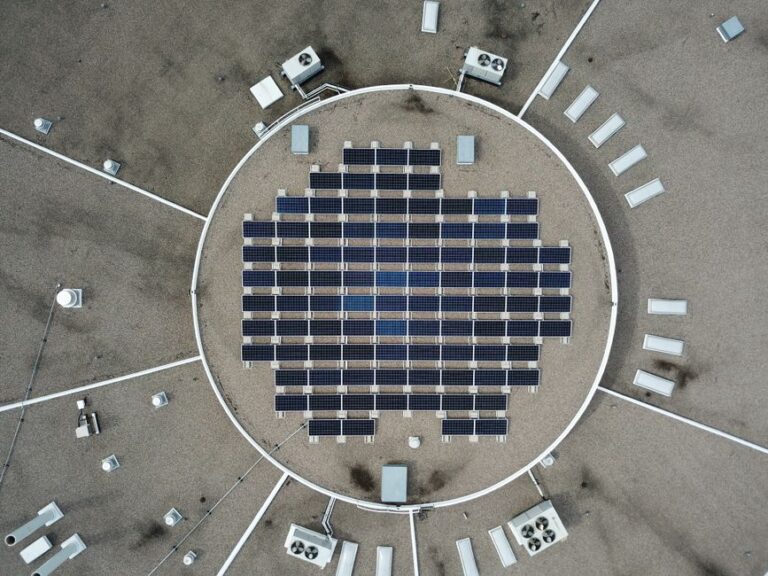
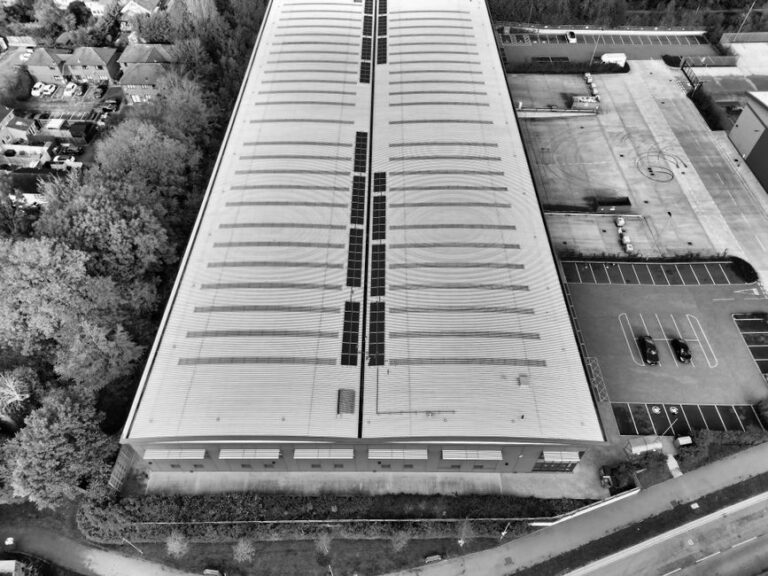
Furthermore, the energy consumption of vertical farms, particularly those relying on artificial lighting, raises concerns about sustainability. To address this, many vertical farms are now exploring renewable energy sources such as solar and wind power. By integrating sustainable energy solutions, the environmental impact of vertical farming can be further minimized.
Conclusion
Vertical farming technology represents a promising solution to some of the most pressing challenges facing the global food system today. With its ability to produce fresh, nutritious food in urban settings while minimizing environmental impact, it is poised to play a crucial role in the future of agriculture. As advancements in technology continue to evolve, the potential for vertical farming to transform our food systems is immense. Embracing this innovation could lead to a more sustainable and efficient agricultural landscape for generations to come. To learn more about the specifics of this innovative approach, you can explore more on vertical farming technology.
About the Author