As urban spaces continue to expand and the global population grows, traditional farming methods face numerous challenges. Vertical farming technology emerges as a beacon of hope, promising to revolutionize the way we produce food. By utilizing innovative techniques, vertical farms can maximize yield while minimizing space and resource usage. This article delves into the intricacies of vertical farming, exploring its benefits, technologies, and future prospects.
Understanding Vertical Farming
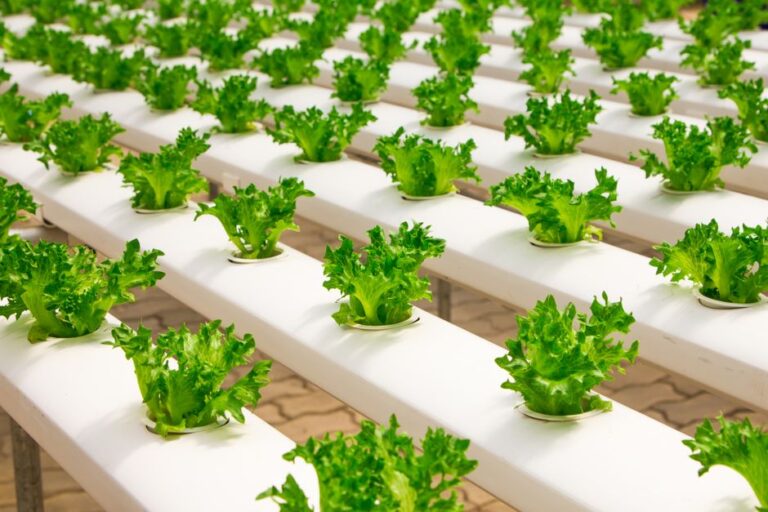
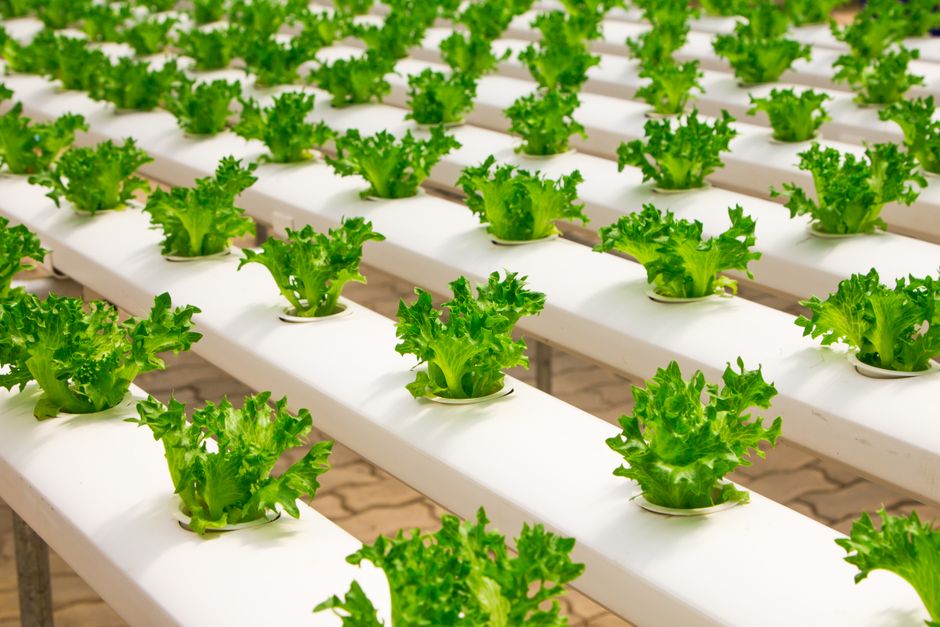
Vertical farming is an innovative agricultural practice that involves growing crops in vertically stacked layers, often within controlled environments. This method significantly reduces the land footprint required for farming, making it particularly suitable for urban areas where space is at a premium. By employing hydroponics, aeroponics, and aquaponics, vertical farms can produce fresh vegetables and fruits year-round, regardless of external weather conditions.
According to a report by the Food and Agriculture Organization (FAO), the global population is expected to reach 9.7 billion by 2050. With this increase comes the pressing need for more sustainable food production methods. Vertical farming technology offers a solution by utilizing advanced systems that enhance crop growth while conserving water and reducing pesticide use.
The Advantages of Vertical Farming
One of the most significant benefits of vertical farming is its ability to produce food in urban areas, closer to consumers. This reduces transportation costs and carbon emissions associated with transporting food over long distances. Furthermore, vertical farms can operate in controlled environments, which minimizes the risk of pests and diseases.
Additionally, vertical farms use significantly less water compared to traditional farming methods. A study conducted by the National Sustainable Agriculture Coalition found that vertical farms can reduce water usage by up to 90%. This is particularly crucial in regions facing water scarcity. By implementing vertical farming technology, we can ensure a more sustainable food supply while conserving valuable resources.
Technological Innovations in Vertical Farming
The success of vertical farming relies heavily on technological advancements. Automation plays a crucial role in optimizing plant growth and resource management. For instance, automated lighting systems can adjust the spectrum and intensity of light based on the specific needs of the plants, promoting healthier growth.
Moreover, the integration of IoT (Internet of Things) devices allows for real-time monitoring of environmental conditions, such as temperature, humidity, and nutrient levels. This data-driven approach enables farmers to make informed decisions, enhancing productivity and efficiency. As technology continues to evolve, we can expect even more innovative solutions that will further enhance the capabilities of vertical farms.
Challenges Facing Vertical Farming
Despite its numerous advantages, vertical farming is not without its challenges. The initial setup costs can be prohibitively high, making it a significant barrier for many potential investors. Additionally, the reliance on artificial lighting and climate control systems can lead to increased energy consumption, raising concerns about the overall sustainability of these operations.
Moreover, while vertical farms can produce a variety of crops, there are still limitations on the types of plants that can be grown effectively in such environments. Leafy greens and herbs are currently the most common crops in vertical farming, but expanding this to include staple crops remains a challenge.
The Future of Vertical Farming
Looking ahead, the future of vertical farming appears promising. As technology continues to advance, we can expect to see more efficient systems that reduce costs and improve sustainability. Investment in research and development will be crucial in addressing current challenges and expanding the range of crops that can be grown in vertical farms.
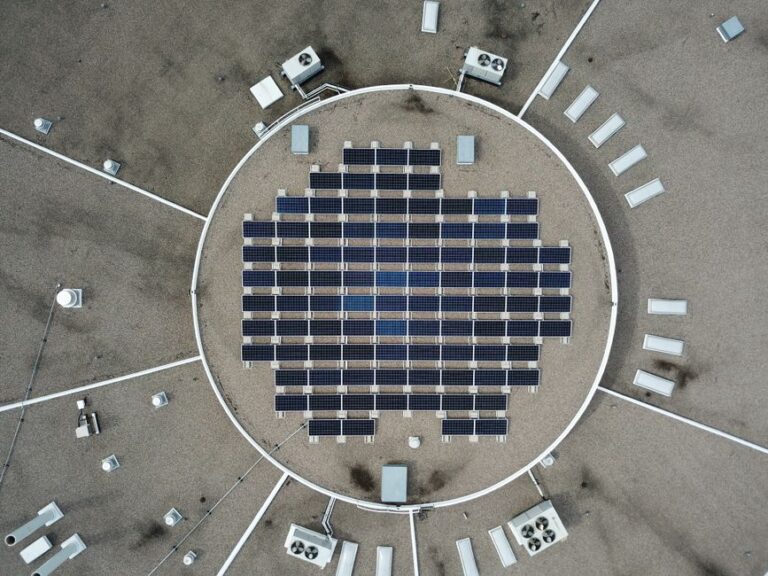
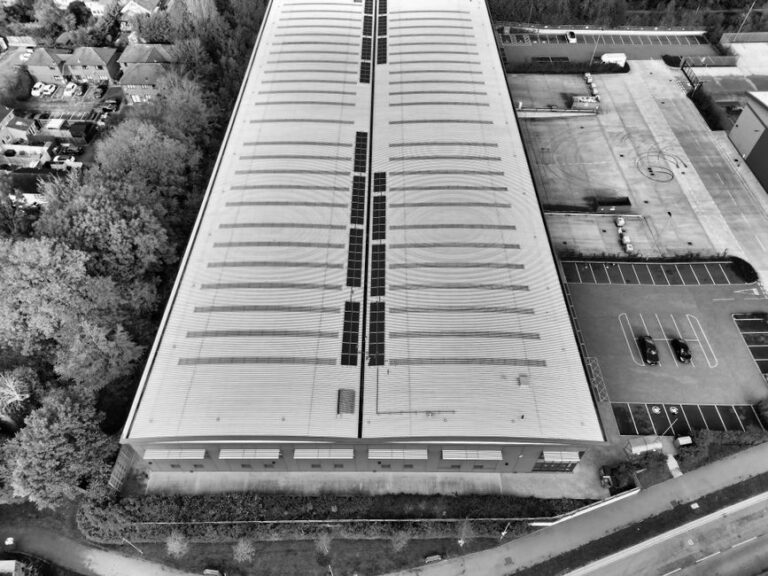
Furthermore, as consumer demand for locally sourced and sustainable food increases, vertical farming is likely to gain more traction in urban areas. The potential for vertical farms to integrate with existing infrastructure, such as rooftops and abandoned buildings, presents exciting opportunities for urban agriculture.
Conclusion
Vertical farming technology is not just a trend; it represents a significant shift in how we approach food production. By leveraging innovative solutions, vertical farms have the potential to provide sustainable food sources in urban environments, addressing the challenges posed by population growth and climate change. As we move forward, continued investment and research will be essential to unlock the full potential of this revolutionary agricultural practice.
About the Author