
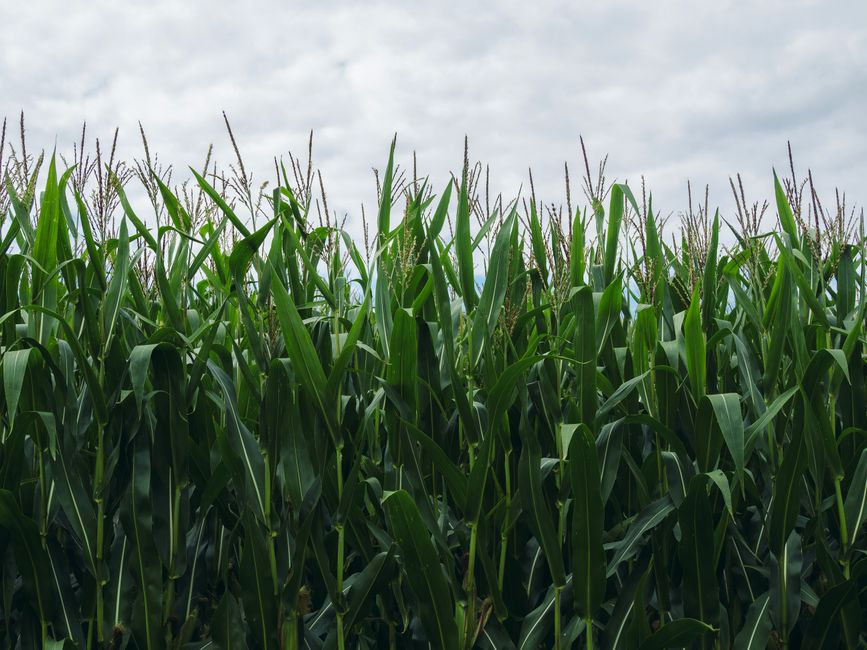
In an era where climate change and unpredictable weather patterns pose significant challenges to agriculture, understanding crop insurance has never been more essential. Farmers face numerous risks including droughts, floods, pests, and diseases, all of which can jeopardize their livelihoods. This article delves into the various aspects of crop insurance, its benefits, and how it can safeguard the agricultural sector.
What is Crop Insurance?
Crop insurance is a risk management tool designed to protect farmers from potential losses due to unforeseen events affecting their crops. It provides financial compensation for damage caused by natural disasters such as hail, excessive rainfall, or drought. In many countries, crop insurance is a crucial component of agricultural policy, ensuring that farmers can recover from losses and continue their operations.
The two primary types of crop insurance are Actual Production History (APH) insurance and Revenue Protection (RP) insurance. APH insurance compensates farmers based on their historical yields, while RP insurance covers declines in revenue due to lower yields or price drops. These options provide flexibility and can be tailored to meet individual farm needs.
The Importance of Crop Insurance for Farmers
For farmers, crop insurance is not merely an option; it is a necessity. With the rising costs of farming and the unpredictable nature of the climate, having a safety net can make a significant difference. According to the National Agricultural Statistics Service, insured farms in the U.S. experienced less financial strain during adverse weather events compared to uninsured farms. This highlights the essential role of insurance in maintaining agricultural productivity and stability.
Moreover, crop insurance can facilitate access to credit. Financial institutions are more likely to lend money to farmers who have insurance, as it reduces the risk of total loss. This access to capital allows farmers to invest in better technology, seeds, and practices, ultimately improving their productivity.
How to Choose the Right Crop Insurance
Choosing the right crop insurance policy requires careful consideration of various factors including the type of crops grown, geographic location, and individual risk tolerance. Farmers should assess their unique circumstances and consult with insurance agents who specialize in agricultural policies. Additionally, understanding the terms and conditions of each policy is crucial to avoid any surprises during the claims process.
Farmers may also want to explore government programs that offer subsidized premiums for crop insurance. In the U.S., the Federal Crop Insurance Corporation provides various programs aimed at making insurance more accessible and affordable for farmers.
Challenges and Limitations of Crop Insurance
While crop insurance provides numerous benefits, it is not without its challenges. One major limitation is the complexity of the policies themselves. Many farmers may find it difficult to navigate the terms, and some may even feel overwhelmed by the paperwork involved in filing a claim.
Furthermore, not all risks are covered under crop insurance policies. For example, losses due to poor management practices may not be compensated. Farmers need to be aware of these exclusions and consider complementary risk management strategies, such as diversification and sustainable practices, to enhance their resilience.
The Future of Crop Insurance
As climate change continues to impact weather patterns and agricultural productivity, the future of crop insurance is likely to evolve. Innovations in technology, such as satellite imagery and data analytics, are paving the way for more accurate assessments of crop health and yield predictions. These advancements could lead to more tailored insurance products that meet the changing needs of farmers.
Moreover, there is a growing movement towards integrating crop insurance with sustainable agriculture practices. By encouraging farmers to adopt environmentally friendly practices, insurers can help mitigate risks associated with climate change while also promoting a healthier ecosystem.
In conclusion, crop insurance plays a critical role in the modern agricultural landscape. It serves as a vital safety net for farmers, enabling them to recover from losses and maintain their livelihoods. As the agricultural sector continues to face new challenges, understanding and utilizing crop insurance will be essential for farmers seeking to thrive in an unpredictable environment.
About the Author