In the world of gardening, having the right equipment can make all the difference between a flourishing garden and a failed one. Greenhouses have become a popular choice for both amateur and professional gardeners, providing a controlled environment that can extend growing seasons and enhance plant health. Understanding the essential greenhouse equipment is crucial for anyone looking to optimize their gardening experience.
Types of Greenhouse Structures
Before diving into the specific equipment needed, it’s important to understand the various types of greenhouse structures available. Greenhouses can range from small backyard setups to large commercial structures. Each type has its own unique requirements for equipment.
For instance, a freestanding greenhouse is ideal for hobbyists who want flexibility in their garden layout. However, a lean-to greenhouse can be a great space-saving option for those with limited yard space. Regardless of the type, all greenhouses require a basic set of equipment to function effectively.
Heating and Cooling Systems
Temperature regulation is vital in a greenhouse, and thus, heating and cooling systems are considered essential greenhouse equipment. In colder climates, a reliable heating system ensures that plants do not freeze during the winter months. Options include electric heaters, gas heaters, and even solar heating systems.
On the other hand, cooling systems are equally important, especially during hot summer months. Ventilation fans, evaporative coolers, and shade cloths can help maintain optimal temperatures. Together, these systems create a stable environment that supports healthy plant growth.
Lighting Solutions
Natural sunlight is a key factor in plant growth, but it may not always be sufficient, especially in winter or during cloudy days. Supplemental lighting is one of the key elements of greenhouse equipment that can enhance plant health and yield. LED grow lights are popular due to their energy efficiency and long lifespan.
By placing grow lights strategically within the greenhouse, gardeners can ensure that all plants receive adequate light. This is particularly important for seedlings and young plants that require more light to thrive.
Irrigation Systems
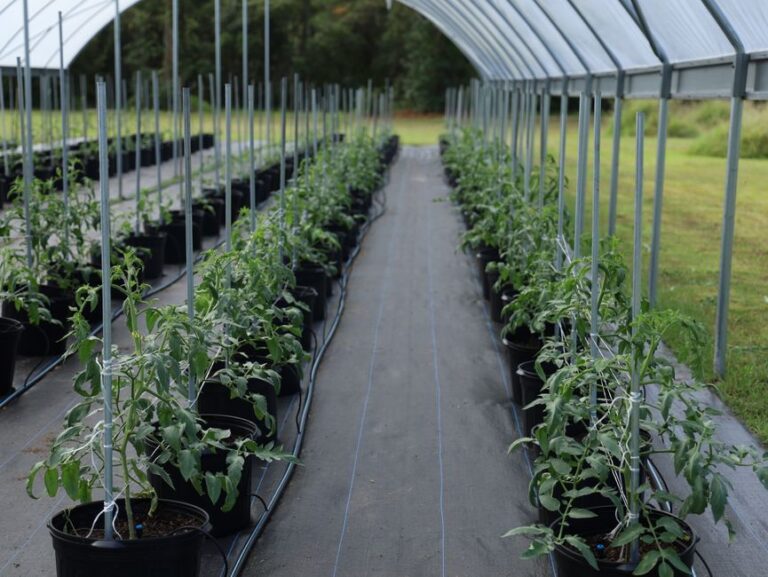
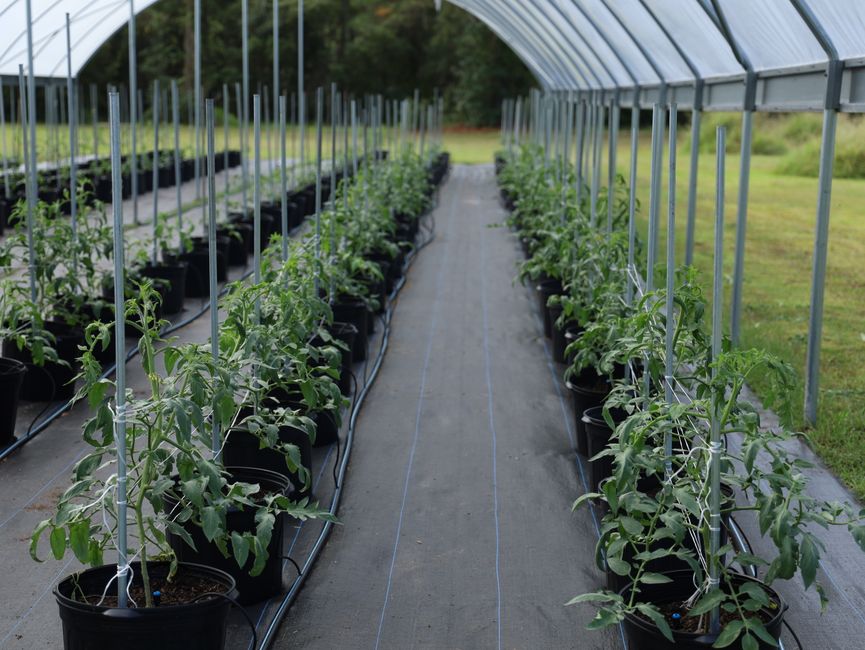
Watering plants can be a labor-intensive task, but with the right irrigation systems, it can become much easier. Drip irrigation systems are highly efficient and deliver water directly to the plant roots, reducing water waste. Automatic timers can also be integrated to ensure consistent watering schedules.
In addition to drip systems, misting systems can also be beneficial in maintaining humidity levels within the greenhouse. Proper irrigation not only saves time but also promotes healthier plants by providing them with the right amount of moisture.
Monitoring and Control Equipment
Finally, monitoring and control equipment play a crucial role in maintaining the ideal conditions within a greenhouse. Thermometers, hygrometers, and soil moisture sensors are key tools that help gardeners keep track of environmental conditions.
Advanced control systems can automate various aspects of greenhouse management, including temperature, humidity, and light levels. This technology can significantly reduce the amount of manual labor required and increase overall efficiency.
To summarize, having the right greenhouse equipment is essential for any gardener looking to achieve success. From heating and cooling systems to lighting and irrigation, each piece of equipment plays a vital role in creating a thriving greenhouse environment.
Conclusion
Investing in quality greenhouse equipment is not just about convenience; it’s about ensuring the health and productivity of your plants. By understanding the various types of equipment available and their functions, gardeners can make informed decisions that will lead to successful growing seasons. Whether you are a beginner or an experienced gardener, the right tools will help you maximize your gardening potential.
About the Author