
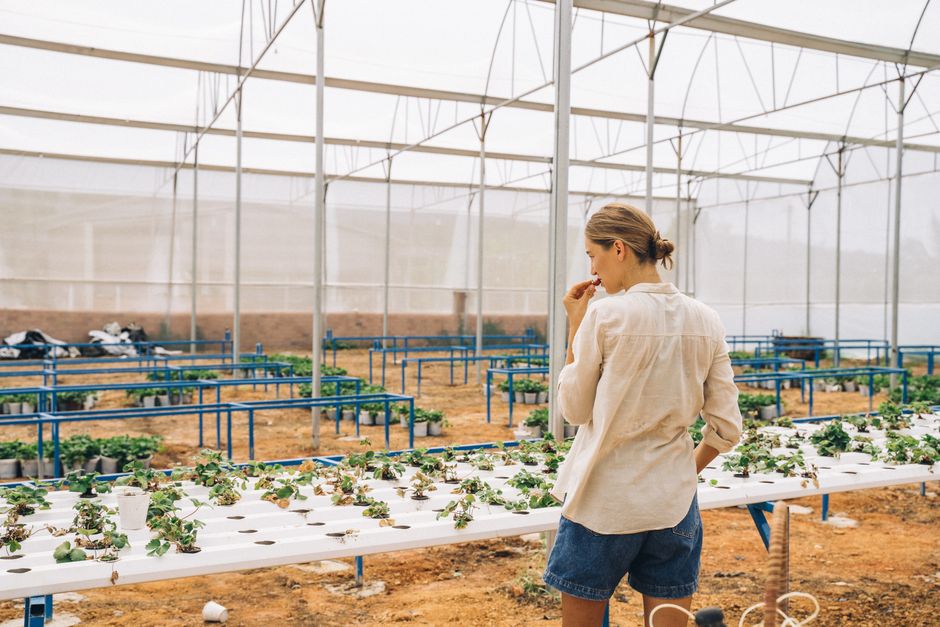
In recent years, the concept of sustainable living has gained significant traction, prompting many individuals to seek eco-friendly solutions for food production. One such innovative approach is aquaponics, a harmonious combination of aquaculture and hydroponics. This method allows you to grow plants and raise fish simultaneously in a symbiotic environment. Among the various options available, aquaponics kits have emerged as a practical solution for both beginners and experienced gardeners. In this article, we will explore the benefits, components, and considerations of using an aquaponics kit.
Understanding Aquaponics
Aquaponics is a sustainable farming practice that combines the cultivation of fish and plants in a closed-loop system. In this ecosystem, fish waste provides organic nutrients for the plants, while the plants help filter and purify the water, creating a self-sustaining environment. This method not only conserves water compared to traditional farming but also maximizes space efficiency, making it ideal for urban dwellers.
According to a study from the University of California, aquaponics systems can reduce water usage by up to 90% compared to conventional soil-based farming. This statistic highlights the environmental benefits of adopting aquaponics, especially in areas facing water scarcity.
Moreover, aquaponics can yield fresh produce and fish year-round, providing a reliable food source for families while also minimizing transportation costs and carbon footprints associated with conventional agriculture.
Components of an Aquaponics Kit
An aquaponics kit typically includes several essential components designed to create an optimal growing environment. These components include:
- Fish Tank: This is where the fish are raised. The size of the tank may vary depending on the kit, and it is crucial to choose fish species that thrive in aquaponic systems, such as tilapia or goldfish.
- Grow Bed: This component holds the plants and is typically filled with a growing medium like gravel or clay pebbles. The grow bed is positioned above the fish tank, allowing water to flow from the tank to the plants.
- Pump: The pump circulates water between the fish tank and the grow bed, ensuring that both fish and plants receive the necessary nutrients.
- Filtration System: This system helps maintain water quality by removing excess solids and converting fish waste into usable nutrients for the plants.
- Air Pump: Providing oxygen to the fish and roots, the air pump is vital for maintaining a healthy aquatic environment.
When investing in an aquaponics kit, it’s essential to consider the size and scale of your setup. For indoor gardens, compact kits are available, while larger systems are better suited for outdoor spaces.
Benefits of Using an Aquaponics Kit
The advantages of utilizing an aquaponics kit extend beyond sustainability. Here are some key benefits:
- Space Efficiency: Aquaponics systems can be set up in small spaces, making them perfect for urban gardening or homes with limited outdoor areas. Vertical farming techniques can further enhance space utilization.
- Reduced Pesticide Use: The natural balance of the aquaponic ecosystem minimizes the need for chemical pesticides, resulting in healthier produce. This aspect appeals to health-conscious consumers looking for organic food options.
- Educational Opportunities: Aquaponics offers a unique learning experience for families and schools, teaching valuable lessons in biology, ecology, and sustainability. Children can engage in hands-on activities, fostering a deeper understanding of food production.
Moreover, the satisfaction of growing your food and knowing where it comes from can significantly enhance your overall well-being. This connection to your food source promotes a healthier lifestyle and encourages responsible consumption.
Considerations When Choosing an Aquaponics Kit
While aquaponics kits offer numerous benefits, there are several factors to consider before making a purchase:
- Budget: Aquaponics kits range in price, so it’s essential to set a budget that aligns with your goals. More expensive kits may come with advanced features, while budget-friendly options are available for beginners.
- Maintenance: Understanding the maintenance requirements of your chosen kit is crucial. Regular monitoring of water quality, fish health, and plant growth is necessary for a successful aquaponics system.
- Fish Selection: Choose fish species that are compatible with the climate and your skill level. Researching the specific care requirements for your selected fish will ensure a thriving aquaponics ecosystem.
For those interested in exploring various options, an aquaponics kit can provide a structured approach to starting your aquaponics journey.
Conclusion
Aquaponics kits represent an innovative solution for sustainable living, combining the benefits of aquaculture and hydroponics in a self-sustaining system. By understanding the components, benefits, and considerations of these kits, individuals can make informed decisions and embark on a rewarding journey towards home food production. Whether you are a novice gardener or an experienced horticulturist, aquaponics offers a unique opportunity to cultivate fresh produce and fish while contributing to environmental sustainability. The future of food production lies in sustainable practices, and aquaponics is at the forefront of this movement.
About the Author