
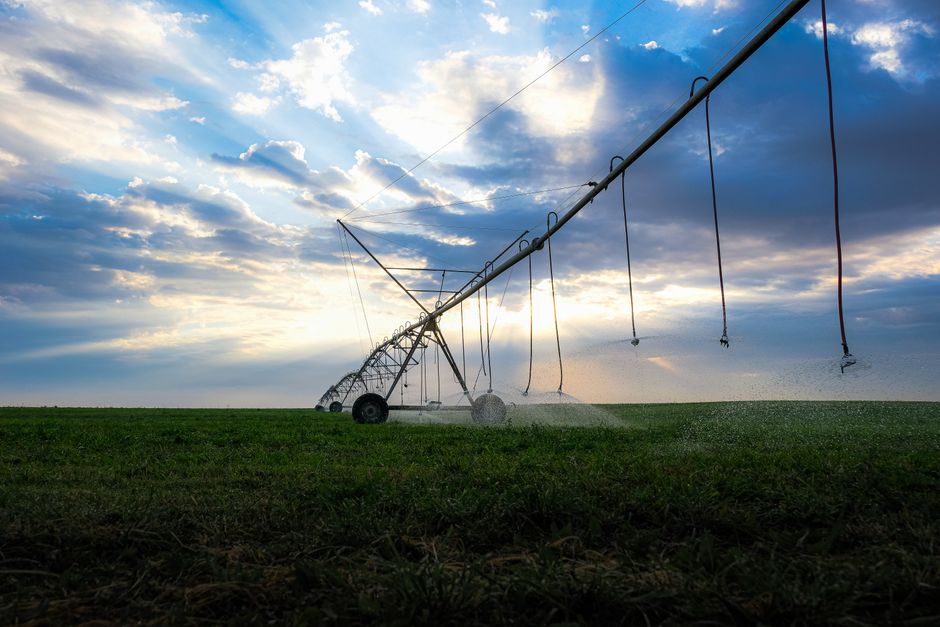
The agricultural landscape has undergone significant transformations over the years, with irrigation systems playing a pivotal role in enhancing crop yields and conserving resources. As the global population continues to rise, the demand for efficient water management has never been more critical. This article explores the various types of irrigation systems, their benefits, and how they contribute to sustainable agriculture.
Types of Irrigation Systems
There are several types of irrigation systems utilized across the globe, each offering unique advantages depending on the specific agricultural needs. The most common types include surface irrigation, drip irrigation, and sprinkler irrigation. Surface irrigation involves the direct application of water to the soil surface, allowing it to flow through furrows or basins. This method is widely used due to its low cost but can lead to water wastage if not managed properly.
Drip irrigation, on the other hand, delivers water directly to the plant roots through a network of tubing and emitters. This method is highly efficient, reducing water usage while maximizing crop yields. According to a study, farms using drip irrigation can save up to 50% of water compared to traditional methods. Lastly, sprinkler irrigation mimics natural rainfall by distributing water through a system of pipes and spray heads. This method is versatile and can be used for a variety of crops and terrains.
Benefits of Implementing an Efficient Irrigation System
Implementing an efficient irrigation system offers myriad benefits for farmers and the environment alike. Firstly, it conserves water by minimizing evaporation and runoff, which is essential in regions facing water scarcity. Additionally, optimized irrigation systems improve crop productivity by ensuring that plants receive the right amount of water at the right time.
Furthermore, advanced irrigation techniques can lead to improved soil health. For instance, precision irrigation methods reduce waterlogging and salinity, which can adversely affect crop growth. By managing water resources effectively, farmers can enhance soil fertility, leading to better crop quality and yield.
Technological Advances in Irrigation Systems
The advent of technology has revolutionized irrigation systems, making them more efficient than ever before. Automated irrigation systems equipped with sensors and timers help farmers monitor soil moisture levels and schedule watering accordingly. This not only saves time but also ensures optimal water usage.
Moreover, the integration of data analytics and satellite imagery allows farmers to make informed decisions regarding their irrigation practices. By analyzing weather patterns and soil conditions, farmers can adjust their irrigation strategies to maximize efficiency and reduce waste. According to recent reports, farms that adopted smart irrigation technologies saw a 20% increase in water efficiency.
Case Studies of Successful Irrigation Implementation
Several case studies highlight the success of implementing efficient irrigation systems. In Israel, for example, farmers have embraced drip irrigation technology to combat arid conditions. As a result, they have transformed barren lands into fertile fields, significantly increasing their agricultural output.
In California, the use of precision irrigation has allowed farmers to thrive despite ongoing drought conditions. By utilizing soil moisture sensors and automated systems, these farmers have managed to maintain their crop yields while significantly reducing water usage. This success story reflects the critical role that advanced irrigation systems play in sustainable agriculture.
Challenges and Considerations
While the benefits of efficient irrigation systems are clear, there are also challenges that farmers must navigate. High initial costs of installation and maintenance can be a barrier for smaller farms. Additionally, the need for technical knowledge and training in the use of advanced systems can pose challenges for some farmers.
It is essential for policymakers and agricultural organizations to provide support and resources to help farmers adopt these technologies. Financial incentives, training programs, and access to information can facilitate the transition to more efficient irrigation practices.
Conclusion
In conclusion, the importance of an efficient irrigation system cannot be overstated, as it plays a crucial role in sustainable agriculture. By understanding the various types of irrigation systems, their benefits, and the technological advances available, farmers can make informed decisions that enhance productivity and conserve vital water resources. As we move forward, embracing these innovations will be essential for meeting the growing food demands of our planet while safeguarding our environment. For further information on irrigation systems and their applications, you can explore detailed studies at irrigation system resources.
About the Author