Perfume has been a part of human culture for thousands of years, captivating our senses and enhancing our identities. Not just a simple combination of scents, perfume is an intricate art form that merges creativity with chemistry. In this article, we will explore the history, components, and the profound impact of perfume on our lives, revealing why it remains a timeless staple in the world of beauty and fashion.
The History of Perfume
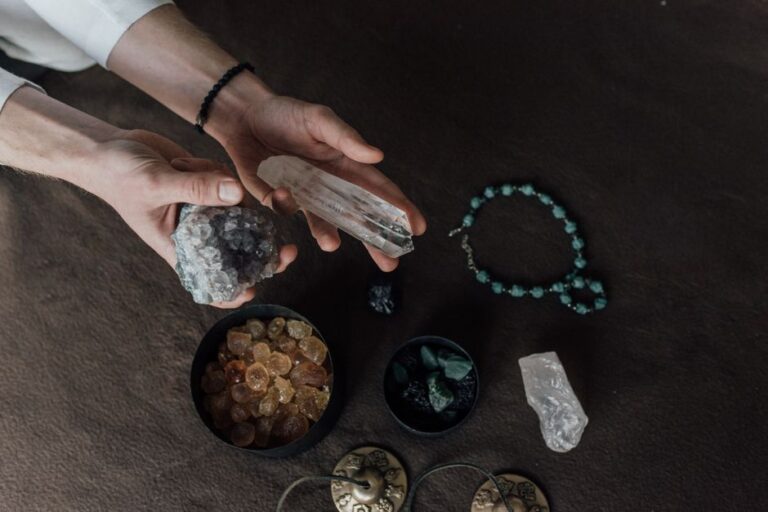
Perfume’s history dates back to ancient civilizations. The Egyptians were among the first to use scents for religious ceremonies and personal adornment. They used a variety of natural ingredients, including myrrh and frankincense, to create fragrances that were believed to please the gods. Similarly, the ancient Greeks and Romans embraced perfume, often associating it with luxury and status.
In the Middle Ages, the art of perfume making evolved significantly, especially in the Middle East. The introduction of distillation methods allowed for more complex and refined fragrances. By the time the Renaissance arrived, Europe was ready to embrace perfumes, leading to the establishment of prominent perfume houses that still exist today.
As we entered the modern era, the perfume industry transformed into a global phenomenon, with fragrances becoming accessible to a wider audience. The launch of iconic scents in the 20th century, such as Chanel No. 5, revolutionized the market and set the stage for contemporary perfumery.
Understanding the Composition of Perfume
At its core, perfume is made up of three main components: top notes, middle notes, and base notes. These notes work together to create a harmonious scent that evolves over time. Top notes are the initial scents you perceive, often citrusy or fruity, and they fade quickly. Middle notes, or heart notes, emerge after the top notes dissipate and usually consist of floral or spicy elements. Finally, base notes are the lasting impressions that linger on the skin, often made up of woody or musky scents.
The balance of these notes is crucial in creating a well-rounded fragrance. Perfumers, or ‘noses,’ spend years perfecting their skills to understand how different ingredients interact. For example, the inclusion of a base note like vanilla can add warmth and depth to a floral composition.
Moreover, the quality of ingredients plays a significant role in the overall experience of a perfume. Many high-end brands, such as Maison Francis Kurkdjian (MFK), utilize natural extracts and rare materials to enhance their offerings, creating a unique olfactory journey for the wearer.
The Psychological Impact of Fragrance
Perfume is not merely a tool for beautification; it has profound psychological effects on both the wearer and those around them. Studies have shown that certain scents can evoke strong emotions and memories. For instance, the smell of lavender is often associated with relaxation, while citrus scents can promote energy and alertness.
Moreover, wearing a signature scent can boost confidence and self-esteem. Many individuals report feeling more attractive and empowered when they wear a fragrance that resonates with them. This psychological connection to scent is why many people invest time and resources in finding their perfect perfume.
Interestingly, researchers have also explored how fragrance impacts social interactions. A pleasant scent can create a positive atmosphere, making individuals more approachable and likable. In professional settings, wearing a well-chosen fragrance can enhance one’s presence and make a lasting impression.
Choosing the Right Perfume
With an overwhelming variety of fragrances available, selecting the right perfume can be daunting. It’s essential to consider factors such as personal preferences, occasions, and even seasonal changes. For example, lighter, fresher scents are often preferred in the summer, while richer, warmer fragrances are favored during fall and winter.
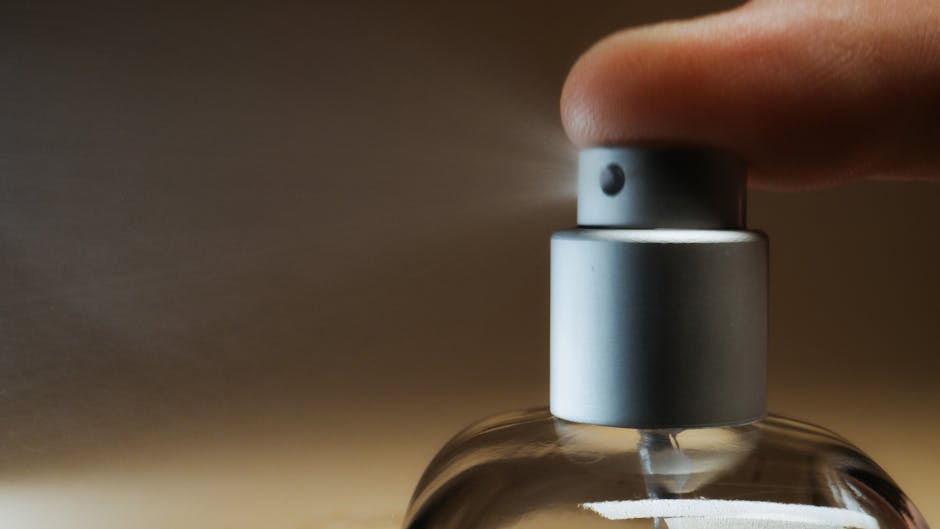
When testing a fragrance, it’s recommended to apply it to your skin rather than a blotter. Skin chemistry can significantly alter the way a perfume smells, making it crucial to experience it in its intended environment. Additionally, give the fragrance time to develop; the initial spray may not reflect the final scent after it settles.
Many perfume enthusiasts also recommend sampling fragrances before purchasing a full bottle. Travel-sized options or discovery sets can be a great way to explore different scents without a hefty commitment.
The Future of Perfume
The perfume industry is constantly evolving, influenced by consumer preferences and advancements in technology. Sustainability has become a significant focus, with brands striving to create eco-friendly packaging and ethically sourced ingredients. Many consumers are now looking for transparency in the formulation of their fragrances, leading to a rise in clean perfumes that avoid harmful chemicals.
Additionally, the rise of digital technology has transformed how consumers engage with perfumes. Virtual scent experiences and online platforms allow users to explore fragrances from the comfort of their homes, making the discovery process more accessible.
As we look to the future, the art of perfumery will continue to blend tradition with innovation. The enduring allure of fragrance ensures that it will remain a cherished aspect of human culture for generations to come.
Conclusion
Perfume is much more than a mere accessory; it is an expression of individuality, creativity, and emotion. Its rich history, complex composition, and psychological impacts highlight the significance of fragrance in our lives. As we navigate the ever-evolving world of scent, understanding the art and science behind perfume can deepen our appreciation for this timeless craft. Whether you are a seasoned enthusiast or a curious newcomer, the world of perfume invites you to explore and find your unique scent journey.
About the Author