
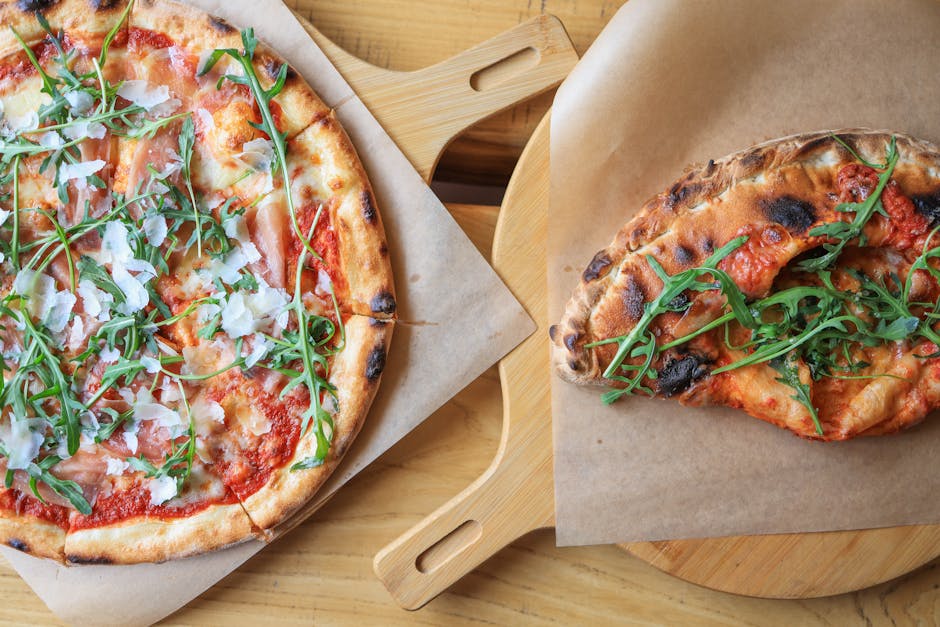
In recent years, handmade pizza has transcended from being merely a meal to an art form, captivating the palates of food enthusiasts around the globe. Unlike mass-produced options, handmade pizzas offer a unique blend of creativity, quality ingredients, and personal touch, making each slice a memorable experience. This article delves into the world of handmade pizza, exploring its history, the importance of quality ingredients, various styles, and the joy of crafting your own pizza at home.
A Brief History of Pizza
The origins of pizza can be traced back to ancient civilizations, but it was in Naples, Italy, during the 18th century that pizza as we know it began to take shape. Initially, it was a humble dish for the working class, topped with basic ingredients like tomatoes, cheese, and herbs. As the dish gained popularity, it evolved into various regional styles, with each area imbuing its own signature twist. Today, pizza is a global phenomenon, with handmade varieties leading the charge in the culinary scene.
What distinguishes handmade pizza from its commercial counterparts is the emphasis on authenticity and craftsmanship. Each pizza is a testament to the skill of the pizzaiolo, who carefully selects ingredients and employs traditional techniques to create a dough that is both flavorful and textured. The result is a pizza that not only nourishes but also tells a story.
The Importance of Quality Ingredients
When it comes to handmade pizza, the quality of ingredients is paramount. The saying “you are what you eat” holds particularly true in the world of pizza. Fresh, high-quality ingredients not only elevate the flavor but also enhance the overall experience. For instance, opting for organic tomatoes for the sauce can make a significant difference in taste, while artisanal cheeses provide depth and richness.
Moreover, the dough is the foundation of any pizza. Using high-protein flour and allowing it to ferment properly results in a crust that is light, airy, and full of flavor. Many artisanal pizza makers use a sourdough starter, which not only adds complexity but also contributes to a chewy texture that is highly sought after.
To truly appreciate the depth of flavor in handmade pizza, consider sourcing local ingredients. Not only does this support local farmers and producers, but it also ensures that the ingredients are at their peak freshness, providing the best possible taste in each bite. For those looking to explore even further, gourmet toppings like truffle oil or specialty meats can introduce exciting new dimensions to traditional recipes.
Exploring Different Styles of Handmade Pizza
Handmade pizza offers a diverse range of styles, each with unique characteristics and flavors. Some popular styles include Neapolitan, New York, Chicago deep-dish, and Sicilian. Neapolitan pizza is known for its thin, soft crust and simple toppings, while New York-style pizza features a foldable slice with a crispy crust. On the other hand, Chicago deep-dish pizza is a hearty option, with a thick crust and layers of cheese and toppings, creating a pie-like experience.
For those who prefer a more unconventional approach, there are countless variations to explore. For example, California-style pizza emphasizes fresh, local ingredients and often features unique toppings like avocado or goat cheese. Additionally, gluten-free options have surged in popularity, allowing those with dietary restrictions to enjoy the handmade pizza experience.
As the handmade pizza trend continues to grow, so do the creative possibilities. Many home cooks are experimenting with new flavors and styles, bringing their own flair to this beloved dish. The beauty of handmade pizza lies in its versatility, allowing anyone to become a pizzaiolo in their own kitchen.
The Joy of Crafting Your Own Pizza at Home
Crafting your own handmade pizza can be a rewarding experience, offering both a sense of accomplishment and a delicious meal. The process begins with selecting the right ingredients, from the flour for the dough to the toppings that will adorn your masterpiece. Many home chefs find joy in kneading the dough, watching it rise, and shaping it into the perfect base for their toppings.
Once the dough is ready, the fun truly begins. Experimenting with various sauces, cheeses, and toppings allows for endless creativity. From classic margherita to adventurous combinations like fig and prosciutto, the possibilities are limitless. Inviting friends or family to join in the pizza-making process can turn it into a fun, interactive meal that fosters connection and laughter.
Finally, baking your pizza at the right temperature is crucial. A hot oven ensures that the crust becomes perfectly crisp while keeping the toppings fresh and vibrant. Many enthusiasts invest in a pizza stone or even a wood-fired oven to replicate the high temperatures found in traditional pizzerias. This commitment to achieving the perfect bake is what truly sets handmade pizzas apart.
Conclusion: Embrace the Handmade Pizza Movement
In conclusion, handmade pizza is more than just food; it is an experience that brings people together and celebrates culinary artistry. By understanding its history, prioritizing quality ingredients, exploring various styles, and engaging in the crafting process at home, anyone can appreciate the beauty of handmade pizza. As you embark on your own pizza-making journey, remember that each slice is a canvas for creativity, inviting you to experiment and enjoy the flavors of life. Whether you indulge in a classic or invent a new favorite, the handmade pizza movement is one that deserves to be embraced.
For those interested in exploring more about gourmet pizza options, check out LUXURY 777 that offers an exquisite selection of handcrafted pizzas that will tantalize your taste buds.
About the Author