
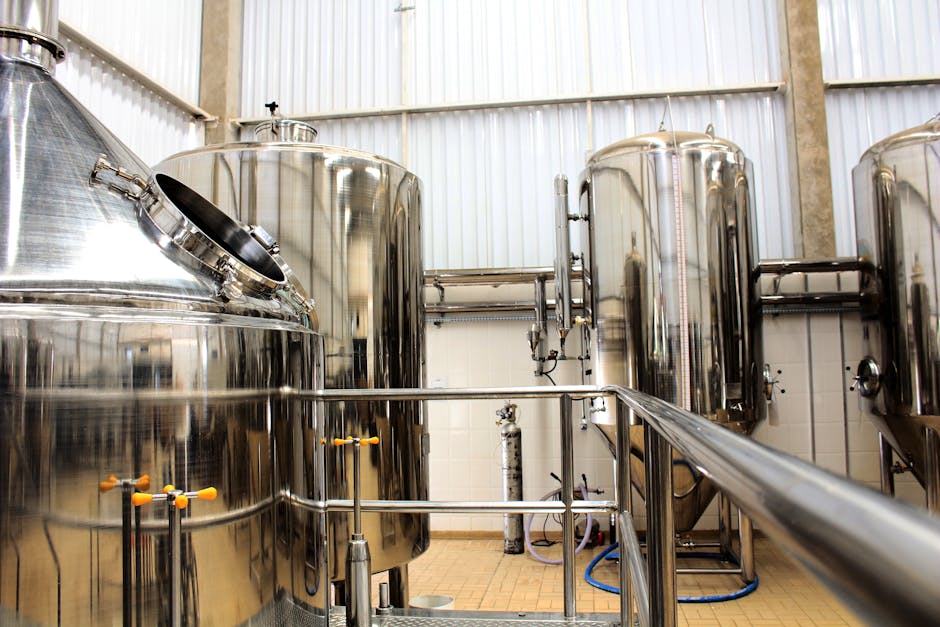
Stainless steel has become a staple material in various industries due to its unique properties. Known for its resistance to corrosion, strength, and aesthetic appeal, stainless steel is utilized in everything from kitchen appliances to construction. As we delve into the world of stainless steel, we will explore its characteristics, applications, and the reasons behind its growing popularity.
Understanding Stainless Steel
Stainless steel is an alloy primarily made of iron, with a minimum of 10.5% chromium content. The addition of chromium provides a protective layer that prevents oxidation and corrosion, making it ideal for use in environments that are prone to moisture or harsh chemicals. This unique combination of elements results in a material that is not only durable but also easy to maintain.
There are several grades of stainless steel, each with its own specific properties suited for different applications. For example, 304 stainless steel, also known as food-grade stainless steel, is commonly used in kitchen equipment and utensils due to its resistance to rust and staining. On the other hand, 316 stainless steel contains molybdenum, providing enhanced corrosion resistance, making it a preferred choice in marine environments.
Applications of Stainless Steel
The applications of stainless steel are vast and varied. In the construction industry, it is widely used for structural components, roofing, and cladding due to its strength and longevity. Buildings and bridges that incorporate stainless steel not only ensure safety but also require less maintenance over time, reducing overall costs.
In the culinary world, stainless steel is favored for kitchenware and appliances. Its non-reactive nature means that it does not alter the taste of food, making it perfect for cooking and food storage. Additionally, the sleek, modern look of stainless steel adds an aesthetic appeal to kitchens, making it a popular choice among homeowners and designers alike.
Another notable application is in the medical field, where stainless steel is used for surgical instruments and equipment. The ability to withstand high temperatures and sterilization processes makes stainless steel an essential material in hospitals and clinics, ensuring hygiene and safety for patients.
Advantages of Using Stainless Steel
One of the primary advantages of stainless steel is its durability. Unlike other materials, stainless steel does not easily corrode, rust, or stain, even when exposed to moisture or chemicals. This longevity translates into lower replacement costs and less frequent maintenance.
Moreover, stainless steel is highly recyclable, making it an environmentally friendly option. It can be melted down and repurposed without losing its quality, contributing to a more sustainable manufacturing cycle. This aspect is increasingly important as industries continue to seek ways to reduce their carbon footprint.
Another compelling benefit is its aesthetic versatility. Stainless steel can be polished to a high shine, brushed for a matte finish, or even colored, allowing for a wide range of design possibilities. This adaptability makes it suitable for various applications, from industrial to residential.
Challenges and Considerations
Despite its many advantages, there are some challenges associated with stainless steel. For instance, while it is resistant to corrosion, it is not entirely immune. Certain conditions, such as exposure to chlorides or high temperatures, can lead to pitting or stress corrosion cracking.
Additionally, the initial cost of stainless steel can be higher than that of other materials. However, when considering its durability and low maintenance requirements, many find that the long-term benefits outweigh the initial investment.
Another aspect to consider is the manufacturing process. Producing stainless steel requires significant energy and resources, which can have environmental implications. As a result, many companies are exploring more sustainable production methods to minimize their impact on the planet.
The Future of Stainless Steel
As technology advances, the future of stainless steel looks promising. Innovations in metallurgy and manufacturing processes are leading to the development of new grades and finishes that enhance its properties further. For instance, researchers are exploring ways to improve the anti-corrosive qualities of stainless steel, making it even more versatile for various applications.
Furthermore, as industries continue to focus on sustainability, the demand for recyclable materials like stainless steel is expected to rise. This trend is particularly evident in the construction and automotive sectors, where companies are increasingly prioritizing eco-friendly materials.
In the realm of design, stainless steel will continue to play a significant role, especially in modern architecture and interior design. Its sleek appearance and adaptability make it a favorite among architects and designers who seek to create contemporary and functional spaces.
Conclusion
Stainless steel is undoubtedly a remarkable material that offers a combination of strength, durability, and aesthetic appeal. Its wide range of applications across various industries speaks to its versatility and importance in modern manufacturing. As we look to the future, the continued innovation in stainless steel production and its sustainable attributes will likely solidify its position as a material of choice in countless applications. Whether in construction, culinary, or medical fields, stainless steel is here to stay, and its impact will only grow.
For those interested in quality furnishings, it is worth exploring options from a Furniture Company In Saudi Arabia, which often incorporates stainless steel in their designs, reflecting the material’s enduring appeal and functionality.
About the Author