
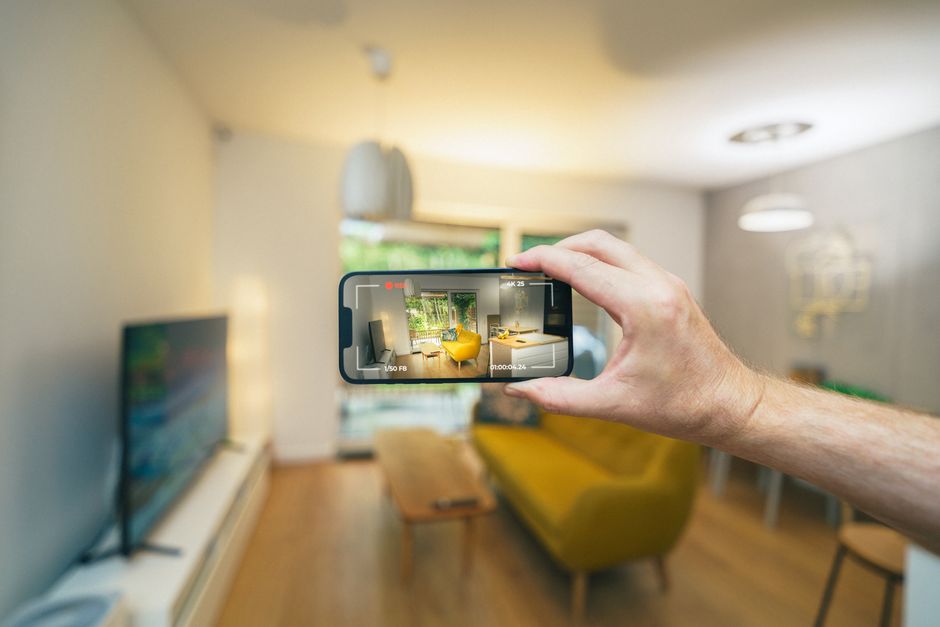
In an age where technology intertwines with our daily lives, virtual tour photography has emerged as a revolutionary tool for showcasing spaces. Whether it’s a real estate listing, a museum exhibit, or a hotel lobby, virtual tours provide an immersive experience that static images simply cannot offer. This article delves into the intricacies of virtual tour photography, its benefits, and the future it holds in various industries.
Understanding Virtual Tour Photography
Virtual tour photography is a technique that allows viewers to explore a location through a series of photographs that are stitched together to create a 360-degree view. This method has gained popularity due to its ability to provide a sense of presence and engagement. Unlike traditional photography, which captures a single moment in time, virtual tours enable users to navigate through the space at their own pace.
The technology behind virtual tours typically involves high-resolution spherical cameras and specialized software that combines the images seamlessly. For instance, platforms like Matterport have become leaders in this field, offering user-friendly solutions for creating stunning virtual environments.
With advancements in virtual reality (VR) and augmented reality (AR), the capabilities of virtual tour photography are expanding. Users can now not only view spaces but also interact with elements within them, enhancing the overall experience.
The Benefits of Virtual Tours for Businesses
One of the most significant advantages of virtual tour photography is its ability to enhance marketing efforts. Businesses can showcase their offerings in a more engaging way, leading to increased interest from potential customers. For real estate agents, virtual tours can drastically reduce the time it takes to sell a property by allowing prospective buyers to explore homes virtually before scheduling a visit.
Moreover, virtual tours can be integrated into websites and social media platforms, providing a competitive edge in a crowded market. Statistics show that listings with virtual tours receive 87% more inquiries than those with standard photos alone, making it a game-changer for businesses looking to attract attention.
Additionally, virtual tours can help in building trust with customers. By allowing them to explore a space virtually, businesses convey transparency and confidence in their offerings, which can lead to higher conversion rates.
Applications of Virtual Tour Photography
Virtual tour photography has diverse applications across various sectors. In the real estate industry, agents use virtual tours to give potential buyers a comprehensive view of properties without the need for in-person visits. This not only saves time but also caters to clients who may be located far away.
In the hospitality industry, hotels and resorts utilize virtual tours to showcase their amenities and rooms. Travelers can explore the facilities before booking, leading to informed decisions and increased booking rates. According to a study, hotels that implement virtual tours see a 50% increase in online bookings compared to those that do not.
Educational institutions are also leveraging virtual tour photography to give prospective students a glimpse of their campuses. This innovative approach not only enhances recruitment efforts but also provides an engaging way for students to familiarize themselves with their future learning environment.
Challenges and Considerations
While virtual tour photography offers numerous benefits, there are challenges to consider. Creating high-quality virtual tours requires significant investment in equipment and software. For small businesses or startups, this initial cost can be a barrier.
Moreover, there’s a learning curve associated with mastering the technology. Businesses may need to invest in training to ensure that their staff can effectively create and manage virtual tours. However, platforms that simplify the process have emerged, making it easier for users with little technical experience to create stunning virtual experiences.
Lastly, maintaining the virtual tours is crucial. As spaces change, businesses must ensure that their virtual tours are updated to reflect the current state of their offerings. Regular updates not only enhance customer experience but also improve SEO rankings, as search engines favor up-to-date content.
The Future of Virtual Tour Photography
Looking ahead, the future of virtual tour photography appears bright. As technology continues to evolve, we can expect even more immersive experiences through advancements in VR and AR. The integration of artificial intelligence (AI) will also play a role in enhancing virtual tours, providing personalized experiences based on user preferences.
Furthermore, as remote work and virtual engagement become more prevalent, the demand for high-quality virtual tours will likely increase. Businesses that adapt to these changes and incorporate virtual tour photography into their marketing strategies will be better positioned to succeed in the evolving landscape.
In conclusion, virtual tour photography is not just a trend; it is a powerful tool that can transform how businesses interact with their customers. By embracing this technology, companies can create engaging, informative, and interactive experiences that drive interest and conversions.
For those looking to explore the capabilities of virtual tour photography, now is the time to invest in this innovative approach and stay ahead of the competition.
About the Author