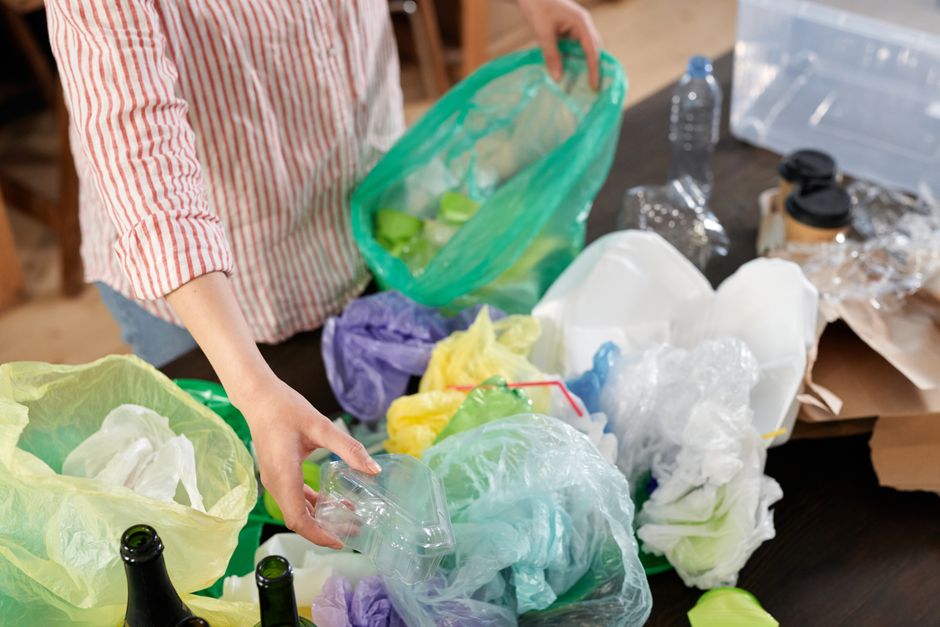
As the world grapples with the increasing plastic waste crisis, plastic recycling has emerged as a crucial solution for sustainable development. The significance of plastic recycling companies cannot be overstated, as they play a vital role in reducing waste and promoting environmental sustainability. This article delves into the innovative practices adopted by plastic recycling companies and highlights their impact on the environment and economy.
The Importance of Plastic Recycling
Plastic recycling not only helps in reducing landfill waste but also conserves natural resources. According to the Environmental Protection Agency (EPA), recycling one ton of plastic can save up to 7.4 cubic yards of landfill space and reduce greenhouse gas emissions significantly. The process of recycling plastic involves collecting, sorting, and processing used materials into new products, thereby closing the loop on plastic consumption.
Moreover, the economic benefits of recycling are substantial. The recycling industry has been reported to create over 1.1 million jobs in the United States alone, contributing to job growth and economic stability. As consumers become more environmentally conscious, the demand for recycled products is also increasing, prompting businesses to invest in sustainable practices.
Innovations in Plastic Recycling Technologies
Recent advancements in recycling technologies have revolutionized the plastic recycling landscape. For instance, chemical recycling processes allow for the conversion of plastic waste back into its original monomers, enabling the production of virgin-quality plastic. This technology not only enhances the efficiency of recycling but also expands the range of plastics that can be recycled.
Additionally, machine learning and artificial intelligence (AI) are being integrated into sorting processes to improve accuracy and efficiency. These technologies can identify different types of plastics and separate them more effectively than manual sorting, significantly increasing the amount of material that can be recycled.
Case Studies of Leading Plastic Recycling Companies
Many companies are at the forefront of plastic recycling innovation. A notable example is Coca-Cola, which has committed to using 50% recycled content in its bottles by 2030. Through various partnerships and initiatives, the company has invested in recycling infrastructure and education, promoting a circular economy.
Another exemplary company is Loop Industries, which has developed a process to depolymerize PET plastic waste into its base building blocks, allowing for infinite recyclability. This innovation not only addresses the issue of plastic waste but also reduces the need for virgin plastic production.
Furthermore, plastic recycling companies like Black Bridge Recycling are making strides in creating comprehensive recycling solutions that cater to various industries, thereby enhancing the recycling rates and promoting sustainable practices across the board.
Challenges Facing the Plastic Recycling Industry
Despite the progress made, the plastic recycling industry faces several challenges. One major obstacle is the contamination of recyclable materials. When non-recyclable items are mixed with recyclables, it complicates the recycling process and can lead to increased costs and inefficiencies.
Additionally, the fluctuating market prices for recycled materials can deter investment in recycling infrastructure. Companies often find it challenging to compete with the low cost of virgin plastics, which are cheaper to produce than recycled materials. To address these issues, there is a need for stronger regulations and incentives that encourage recycling and the use of recycled content in products.
Conclusion: The Path Forward for Plastic Recycling
The future of plastic recycling holds great promise, as innovations continue to emerge and more companies commit to sustainable practices. By investing in advanced technologies, improving recycling systems, and raising consumer awareness, the plastic recycling industry can significantly reduce plastic waste and contribute to a more sustainable future.
As individuals, we can also play a role in this transformation by practicing responsible consumption and supporting businesses that prioritize recycling. Together, we can work towards a circular economy where plastic is valued, reused, and recycled, ensuring a healthier planet for future generations.
About the Author