In the ever-evolving world of business, the significance of a well-designed commercial space cannot be overstated. Commercial interior design plays a crucial role in shaping environments that not only appeal aesthetically but also enhance functionality and promote productivity. As businesses strive to create unique identities and foster positive experiences for their clients and employees, the expertise of a commercial interior designer becomes invaluable.
Understanding Commercial Interior Design
Commercial interior design encompasses a wide range of spaces, including offices, retail stores, restaurants, and more. Unlike residential design, which focuses on personal comfort and style, commercial design prioritizes functionality and the overall experience of the end-users. A successful commercial interior designer must possess a deep understanding of how design elements affect human behavior and productivity.
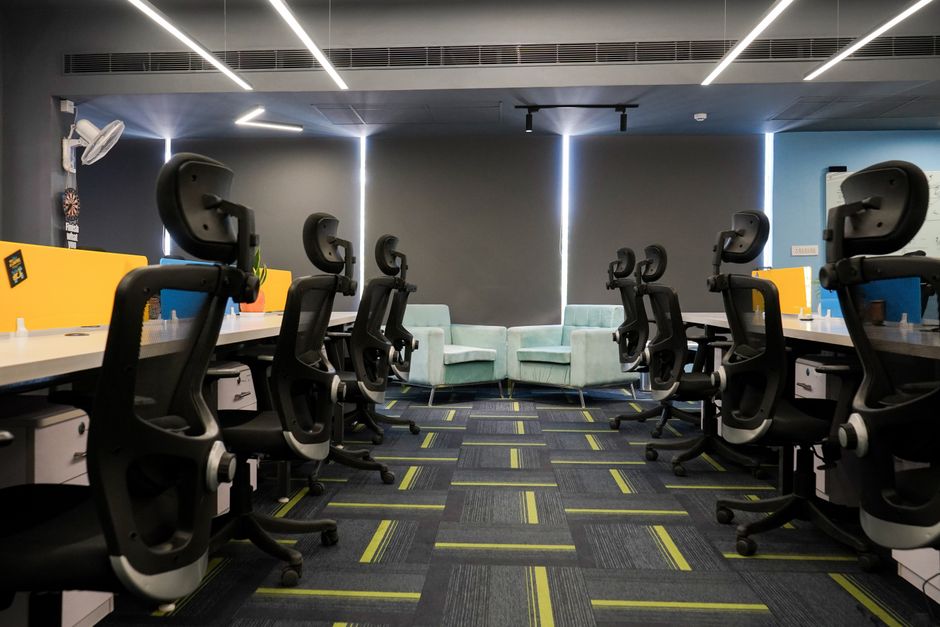
For instance, research indicates that well-designed office spaces can increase employee productivity by up to 20%. This is achieved through strategic layouts, effective lighting, and the use of color psychology. By creating environments that inspire creativity and collaboration, businesses can significantly enhance their operational efficiency.
Key Elements of Effective Commercial Interior Design
There are several key elements that define effective commercial interior design. First and foremost is space planning. A skilled designer will assess the available space and develop a layout that maximizes its potential. This involves considering the flow of movement, the placement of furniture, and the overall functionality of the area.
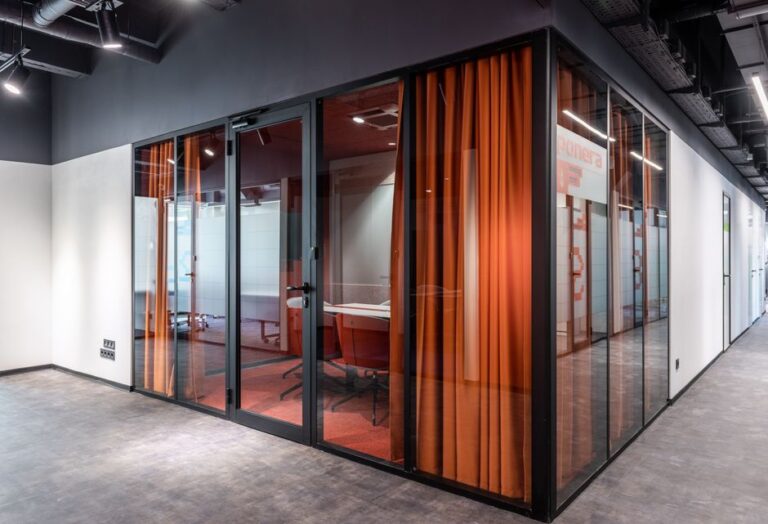
Another critical aspect is the selection of materials and finishes. The choice of flooring, wall coverings, and furnishings can greatly influence the ambiance of a space. For example, using natural materials such as wood can create a warm and inviting atmosphere in a retail store, while sleek metals and glass may be more suitable for a modern office environment.
The Importance of Branding in Design
Brand identity is an essential consideration in commercial interior design. The physical space should reflect the brand’s values and mission. This is achieved through the strategic use of colors, logos, and design elements that resonate with the target audience. For instance, a tech startup may opt for a minimalist design with a focus on innovation, while a luxury brand might choose opulent materials to convey sophistication.
Moreover, integrating branding into the design can foster customer loyalty. A well-curated environment engages clients on multiple levels, creating memorable experiences that encourage repeat visits. Businesses that embrace their brand identity in their physical spaces often see a positive impact on their bottom line.
Challenges Faced by Commercial Interior Designers
Despite the rewards of commercial interior design, professionals in this field face numerous challenges. Budget constraints are often a significant concern, as clients may have high expectations while seeking to minimize costs. A talented designer must find creative solutions that align with the client’s vision without compromising quality.
Time management also plays a crucial role in the success of a project. Designers must adhere to strict timelines while coordinating with various contractors and suppliers. Effective communication and project management skills are essential to ensure that all aspects of the design process run smoothly.
Future Trends in Commercial Interior Design
The future of commercial interior design is constantly evolving, driven by technological advancements and changing consumer preferences. One notable trend is the increasing focus on sustainability. Businesses are becoming more conscious of their environmental impact, leading to a demand for eco-friendly materials and energy-efficient designs.
Additionally, the rise of remote work has influenced the design of office spaces. Flexible layouts that accommodate both collaborative and individual work are becoming more popular. Designers are exploring innovative solutions, such as modular furniture and adaptable spaces, to meet the needs of a dynamic workforce.
Conclusion
In conclusion, commercial interior design is a multifaceted discipline that requires a balance of creativity and practicality. As businesses continue to recognize the value of their physical environments, the role of a commercial interior designer will only grow in significance. By understanding the key elements of effective design and staying ahead of industry trends, designers can create spaces that not only look good but also drive business success.
About the Author