
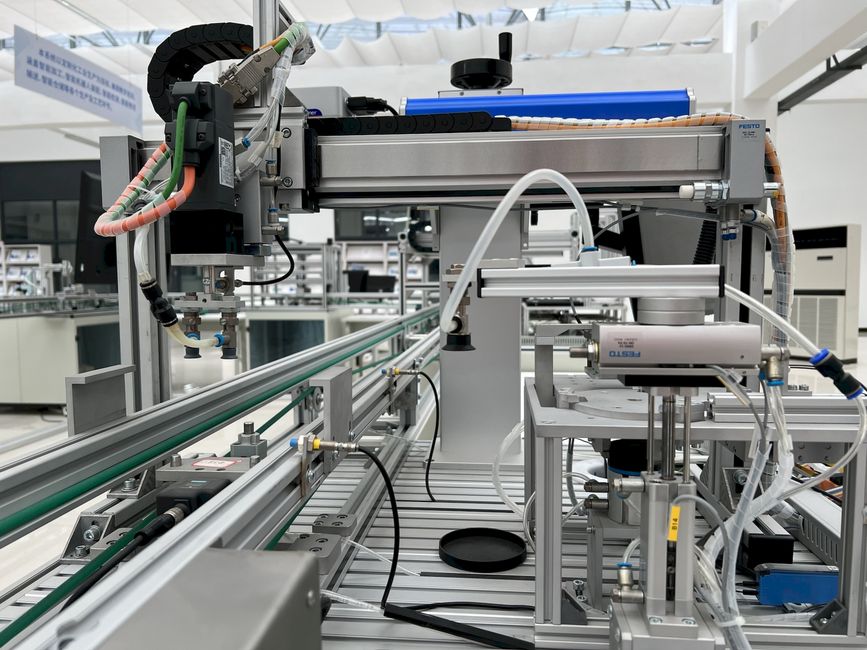
In today’s rapidly evolving manufacturing landscape, the role of industrial automation suppliers has become increasingly significant. As industries strive for efficiency, productivity, and cost-effectiveness, these suppliers provide the essential tools and technologies that enable businesses to automate processes and enhance operational performance. This article delves into the various aspects of industrial automation suppliers, their offerings, and the impact they have on modern manufacturing.
The Evolution of Industrial Automation
Industrial automation has come a long way since its inception. Initially, manufacturing relied heavily on manual labor, which was both time-consuming and prone to errors. With the introduction of automated systems in the late 20th century, industries began to experience a transformation in their production processes. Today, automation encompasses a wide range of technologies, from robotics to artificial intelligence, all designed to streamline operations and improve productivity.
With the global market for industrial automation expected to reach over $300 billion by 2025, the demand for reliable industrial automation suppliers is on the rise. These suppliers not only provide the necessary hardware and software but also offer expertise and support to ensure that businesses can effectively integrate automation into their operations.
Furthermore, the rise of Industry 4.0 has accelerated this evolution, as manufacturers seek to leverage data analytics, IoT, and smart technologies to enhance their automation strategies. As a result, industrial automation suppliers are now tasked with delivering innovative solutions that align with these advanced manufacturing trends.
Key Offerings of Industrial Automation Suppliers
Industrial automation suppliers offer a diverse range of products and services that cater to the varied needs of manufacturers. Some of the key offerings include:
- Robotics: Automated robotic systems are increasingly used for tasks such as assembly, welding, and material handling. These robots can operate continuously, reducing labor costs and increasing throughput.
- Control Systems: Suppliers provide programmable logic controllers (PLCs) and distributed control systems (DCS) that enable manufacturers to monitor and control their processes in real-time.
- Sensors and Actuators: Essential for gathering data and executing tasks, sensors and actuators play a critical role in automation systems, allowing for precise control and monitoring.
- Software Solutions: Industrial automation suppliers also offer software solutions that facilitate process optimization, predictive maintenance, and data analysis to enhance operational efficiency.
Choosing the Right Industrial Automation Supplier
When selecting an industrial automation supplier, businesses must consider several factors to ensure they make the right choice. Firstly, it is crucial to assess the supplier’s reputation and experience in the industry. A supplier with a proven track record can provide valuable insights and support throughout the integration process.
Secondly, evaluating the range of products and services offered is essential. A comprehensive supplier should be able to meet all aspects of automation needs, from hardware to software solutions. Additionally, the supplier’s ability to provide ongoing support and training is vital for ensuring that employees can effectively utilize the new systems.
Another important consideration is the supplier’s commitment to innovation. In a rapidly changing technological landscape, choosing a supplier that invests in research and development can help businesses stay ahead of the competition. Lastly, pricing and overall value should be weighed against the potential return on investment that automation can provide.
Case Studies: Success Stories in Industrial Automation
To illustrate the impact of industrial automation suppliers, let’s consider a few success stories from various industries. One notable example is a leading automotive manufacturer that partnered with an industrial automation supplier to implement a fully automated assembly line. This transition resulted in a 30% increase in production efficiency and a significant reduction in labor costs.
Another case involves a food processing company that integrated advanced sensor technology into its operations. By utilizing real-time data analytics provided by their supplier, the company was able to optimize its production processes, resulting in a 25% decrease in waste and improved product quality.
These examples highlight the transformative power of industrial automation and the critical role that suppliers play in facilitating this change. As industries continue to embrace automation, the demand for reliable and innovative suppliers will only grow.
Conclusion
In conclusion, industrial automation suppliers are pivotal players in the modernization of manufacturing processes. Their ability to provide advanced technologies, combined with expert support and ongoing innovation, positions them as essential partners for businesses looking to enhance productivity and efficiency. As the landscape of manufacturing continues to evolve, those who invest in the right industrial automation solutions stand to gain a competitive edge in the market. For businesses seeking reliable solutions, turning to an industrial automation supplier can be a transformative decision that paves the way for future success.
About the Author