
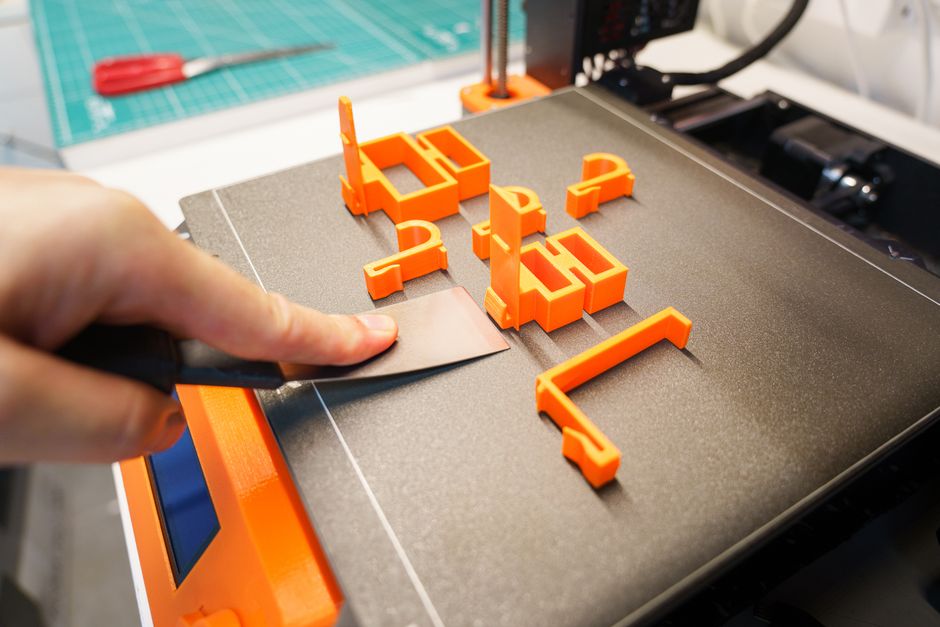
The world of manufacturing and design has been revolutionized by the advent of 3D printing technology. This innovative process allows for the creation of three-dimensional objects from a digital file, enabling businesses to produce customized products at a fraction of the cost and time compared to traditional methods. As more industries recognize the benefits of 3D printing, the demand for professional 3D printing service providers is on the rise. In this article, we will explore the various applications, advantages, and considerations associated with using 3D printing services.
Applications of 3D Printing Services
3D printing services are utilized across various sectors, including healthcare, aerospace, automotive, and consumer goods. In the medical field, for instance, 3D printing is used to create patient-specific implants and prosthetics, which can significantly improve surgical outcomes. According to a report by the Wohlers Associates, the medical segment of the 3D printing market is expected to reach $3.7 billion by 2025.
In the aerospace industry, companies are leveraging 3D printing to manufacture lightweight components that reduce fuel consumption and enhance performance. Boeing and Airbus are already using 3D-printed parts in their aircraft, which illustrates the technology’s potential for improving efficiency in high-stakes environments.
Moreover, in the consumer goods sector, businesses can use 3D printing to create custom products tailored to individual preferences. This capability not only increases customer satisfaction but also allows companies to respond quickly to market demands.
Benefits of Using 3D Printing Services
One of the primary advantages of 3D printing services is cost efficiency. Traditional manufacturing methods often involve high setup costs and long lead times, particularly for custom or low-volume production. In contrast, 3D printing eliminates the need for costly molds and tooling, enabling businesses to produce items quickly and affordably.
Additionally, 3D printing supports sustainable practices. As this technology minimizes waste through additive manufacturing—where materials are added layer by layer rather than removed—companies can significantly reduce their environmental impact. A study by the Ellen MacArthur Foundation found that 3D printing could help lower the carbon footprint of manufacturing by up to 90%.
Furthermore, the design flexibility offered by 3D printing is unmatched. Designers can create complex geometries and intricate patterns that would be impossible or prohibitively expensive to achieve with traditional methods. This opens up new possibilities for innovation and product development.
Choosing the Right 3D Printing Service Provider
When selecting a 3D printing service provider, businesses should consider several factors to ensure they choose a reliable partner. Firstly, it’s essential to evaluate the provider’s expertise and experience in the relevant industry. A company that specializes in a particular field, such as medical devices or aerospace components, will likely have the necessary knowledge to meet specific requirements.
Secondly, the range of materials offered by the provider is crucial. Different applications may require different types of materials, such as plastics, metals, or ceramics. A versatile provider will offer a variety of options to cater to diverse project needs.
Lastly, turnaround time and customer support are vital aspects to consider. A good service provider should be able to deliver quality prints within a reasonable timeframe while also providing excellent customer service throughout the process. This ensures that any issues can be quickly addressed, minimizing delays in production.
Future Trends in 3D Printing Services
The future of 3D printing services looks promising, with continuous advancements in technology and materials. Innovations such as bioprinting, where living cells are printed to create tissues and organs, are on the horizon. This could revolutionize the medical field, offering new treatment options for patients.
Moreover, the integration of artificial intelligence with 3D printing is expected to enhance design processes and optimize production workflows. AI can analyze data from previous projects to suggest the best design practices and materials, resulting in improved efficiency and reduced costs.
Additionally, as 3D printing technology becomes more accessible, we may see a rise in on-demand production. This shift will allow businesses to produce goods as needed, reducing inventory costs and waste, and catering to the evolving preferences of consumers who seek personalized products.
Conclusion
3D printing services have transformed the landscape of manufacturing, offering unprecedented opportunities for customization and efficiency. As industries continue to explore the potential of this technology, businesses that leverage professional 3D printing services will be better positioned to innovate and meet the demands of their customers. By understanding the applications, benefits, and future trends associated with 3D printing, organizations can make informed decisions that enhance their competitiveness in the market.
About the Author